
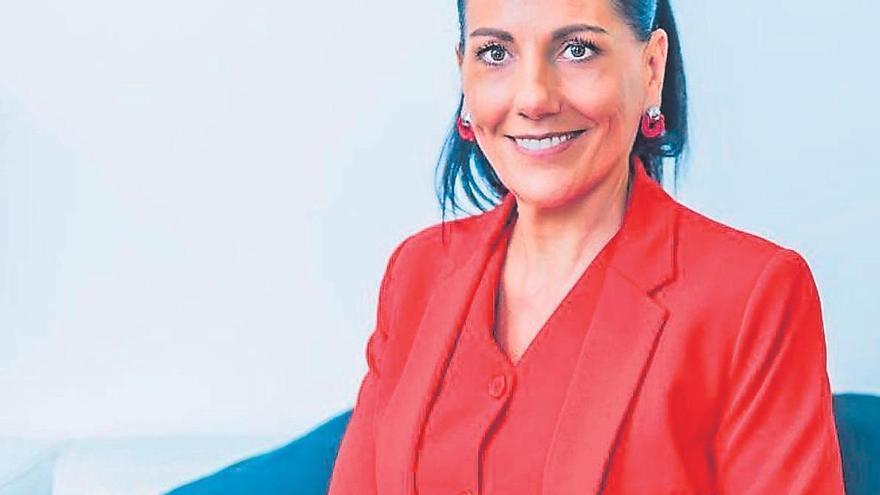
FEPECO Elects First Female President to Lead Santa Cruz Construction Sector
FEPECO has appointed its first female president, who aims to address the Canary Islands' housing crisis, labor shortages, and administrative inefficiencies as the construction association approaches its fiftieth anniversary.
The recent election of a new president for the Provincial Federation of Construction Entities of Santa Cruz de Tenerife (FEPECO) marks a historic turning point. As the association nears its fiftieth anniversary, this leadership change is particularly significant: for the first time, a woman is at the helm. This appointment reflects the broader professional and demographic shifts currently reshaping the business landscape in the Canary Islands.
The new president takes office during a challenging time for the construction industry. She has identified two primary goals for her term: addressing the archipelago’s housing crisis and cutting through administrative red tape. She warns that outdated pricing in public tenders—which fails to account for current inflation—is causing many projects to go unclaimed. Beyond these structural issues, the association plans to tackle labor shortages and absenteeism through closer institutional cooperation and collaborative management.
With over 20 years of experience, the new president’s career was shaped by the 2008 economic crisis, an era she credits with teaching her the vital role construction plays in driving employment and development. Having worked as an employee, a freelancer, and a business owner, she brings a well-rounded perspective that she hopes will modernize the association.
While the construction sector in Spain has traditionally been male-dominated, the new president emphasizes that her leadership will be defined by technical expertise and experience rather than a gender-focused agenda. However, she acknowledges the importance of her role as a benchmark for women in senior management. Ultimately, her goal is to make FEPECO more responsive to the needs of its members, advocating for the industry against a bureaucracy that she argues is too slow to meet today’s urgent social demands.