
Femete Launches InduCES for Sustainable Canary Islands Industry
Femete has launched InduCES, a new project funded by the Canary Islands Government, to help 50 industrial companies in Santa Cruz de Tenerife become more sustainable by measuring and reducing their environmental footprint.
Femete, the federation for metal and new technology companies in Santa Cruz de Tenerife, is launching a new project called InduCES (Canarian Industry for a Sustainable Economy). This initiative aims to make the Canary Islands' industrial sector more sustainable, competitive, and better at following regulations. The project is fully funded by the Canary Islands Government's Ministry of Economy, Industry, Trade, and Self-Employed Workers (through its Directorate General of Industry). It will run for 12 months, ending on November 30, 2026.
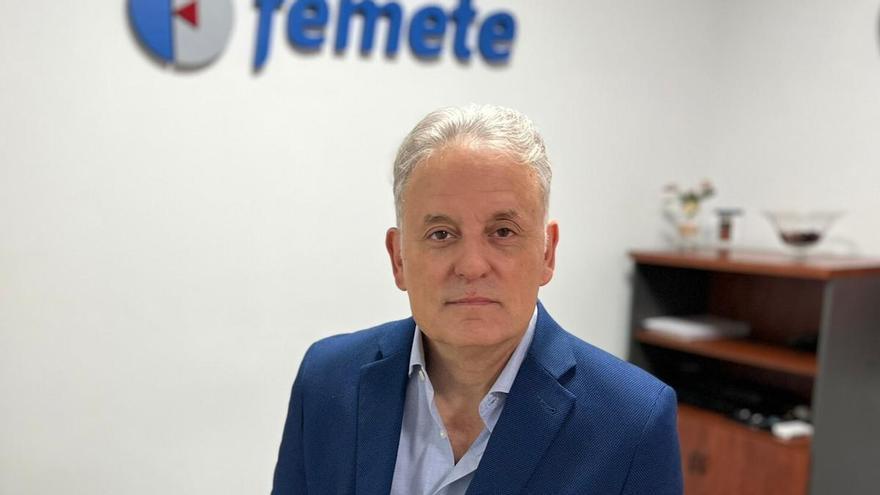
InduCES addresses a clear and growing need within the industrial sector, according to Femete's Secretary General, José González González. He explained that industrial companies, particularly small and micro-businesses, increasingly need expert help to meet environmental rules, lessen their impact, and adopt more sustainable ways of operating. "With InduCES, we're taking a new step by using a strict method to accurately measure a company's environmental footprint. This information will then be used to make practical improvements," he said.
InduCES will support 50 industrial companies in Santa Cruz de Tenerife province. These companies can be in the metal or new technology sectors, and they don't need to be Femete members. The project will provide tailored technical advice, considering each company's specific situation, industry, and location. González González added that the project goes beyond just following rules. It helps companies find ways to be more efficient, cut costs, and improve their competitiveness by making sustainability a key part of their strategy, not just another task.
A core part of the project involves thoroughly assessing each company's environmental footprint. This includes their carbon footprint, water footprint, and material footprint, using Life Cycle Assessment (LCA) and global standards. Femete's Secretary General explained the benefits of this method:
"Measuring their environmental footprint helps companies pinpoint exactly where their biggest impacts come from – whether it's using resources, creating waste, or emissions. With this information, they can then plan realistic steps to reduce or offset these impacts," he said. "This understanding is crucial for improving environmental performance and also for getting public and private funding that is tied to ESG (Environmental, Social, and Governance) standards."
The project also includes a special section for measuring the carbon footprint from employee commuting (known as Scope 3 emissions), and suggests ways to offset these emissions with actions that benefit both the environment and society.
InduCES is organized into four main areas: designing and improving digital tools, providing technical advice on environmental footprints, raising awareness about industrial sustainability, and managing and overseeing the project. González González stated, "We've created a project that clearly serves the public, is open to the whole industrial sector, and combines personalized advice with efforts to raise awareness and share information. It also produces clear and verifiable data on the environmental impact of our industrial businesses."
The project also fits with the Canary Islands Industrial Development Strategy 2022–2027, the Canary Islands Sustainable Development Agenda 2030, and current laws on climate change, the circular economy, and waste management. "InduCES helps create a more innovative, sustainable, and resilient Canary Islands industry, ready for the shift to a greener economy and circular practices. It also strengthens industry's role as a driver of economic and social growth for the islands," concluded Femete's Secretary General.