
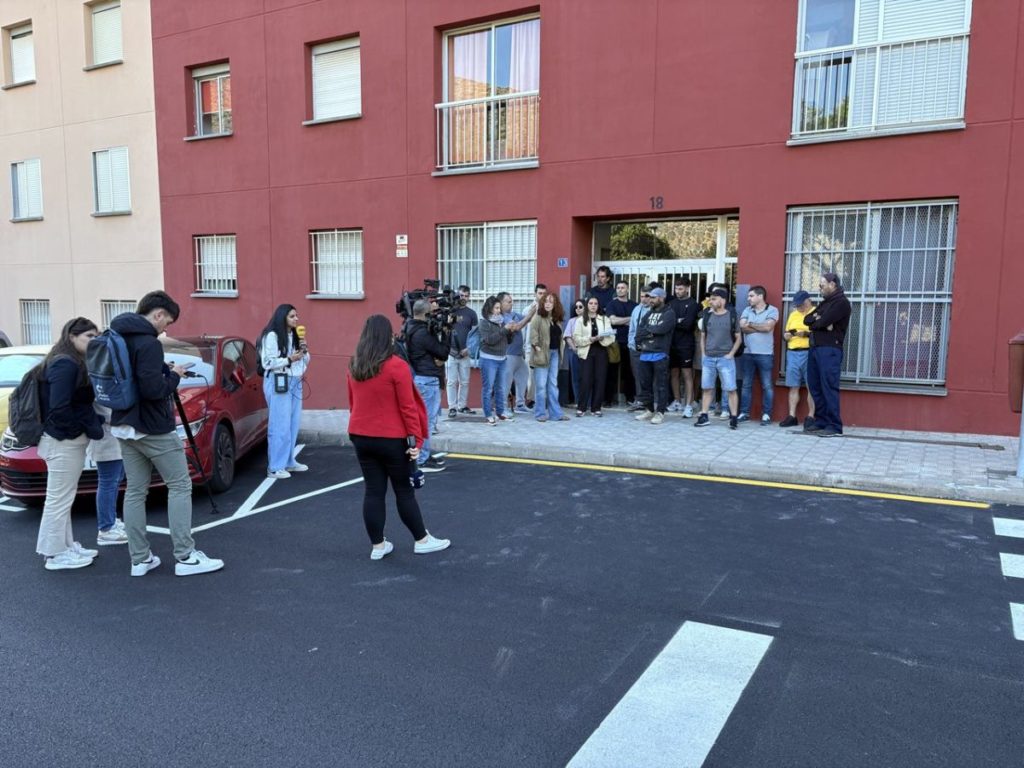
Father and daughter left homeless following La Laguna foreclosure eviction
A father and his young daughter were left homeless following a foreclosure in San Cristóbal de La Laguna, sparking criticism over the local government's response and the legal vulnerabilities of residents without formal property ownership.
A recent foreclosure in La Cuesta, San Cristóbal de La Laguna, has left a father and his young daughter homeless, highlighting the legal difficulties faced by residents who do not officially own their homes. The case began when the man’s parents—the original owners of the subsidized property—acted as guarantors for a third-party loan. When that debt went unpaid, an investment fund claimed the property.
This situation exposes a disconnect between the needs of struggling families and the rigid nature of judicial processes. The political group Drago Verdes Canarias has criticized the La Laguna City Council, arguing that officials failed to act since the eviction process began in March 2020. However, the City Council maintains that its hands were tied. Because the resident was not a named party in the court case, the council could only intervene once the court requested a vulnerability report, which the local government says was submitted for review on the 18th.
The eviction highlights the growing housing insecurity for low-income workers who cannot afford private rent, as well as the challenges of protecting minors during property seizures. Following the eviction, the father, who shares custody of his daughter, had to seek emergency shelter through the Red Cross.
The incident has reignited public debate over the effectiveness of support programs like Base 25, a collaboration with Caritas, and the need for better communication between local government and the courts. There has also been significant criticism regarding the lack of support for storing the family’s personal belongings during the eviction. Ultimately, this case illustrates the precarious position of residents who, despite living in a home, lack legal ownership and are left vulnerable to the timelines and demands of investment funds and the legal system.