
Experts Urge Canary Islands to Adopt Chilean Model for Marine Conservation
Experts at a recent conference in Costa Adeje urged the Canary Islands to adopt participatory marine conservation models, similar to Chile's, to bridge the gap between ambitious environmental goals and effective policy implementation.
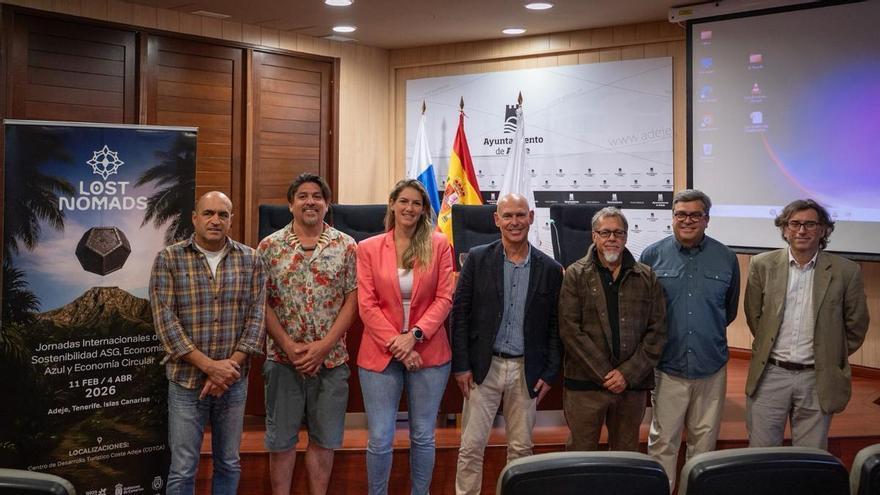
Managing marine resources in island regions is back in the spotlight following recent sustainability and "blue economy" conferences in Costa Adeje. The event, which gathered international experts and policymakers, highlighted a growing concern: there is a significant gap between the ambitious environmental goals set by European regulators and the actual effectiveness of conservation policies.
A key focus of the discussions was how different regions protect their ecosystems. Experts compared Europe’s approach to large-scale models like Chile’s. While Chile has protected nearly one million square kilometers—putting over 50% of its waters under conservation and exceeding UN targets—the situation in Spain and Europe is more complicated. Although official data suggests that about 30% of European waters are protected, experts warn that less than 1% of these areas have measures that actually help biodiversity recover.
The Chilean delegation, including former senator Ricardo Lagos Weber and local leader Julio Chamorro, argued that their success comes from involving local fishing communities in the decision-making process. Experts believe this participatory approach could be a game-changer for the Canary Islands. Given the geographic and cultural similarities between the two archipelagos, the Canary Islands could adopt similar models, using ocean protection to drive a more competitive and sustainable economy.
However, researcher César Bordehore cautioned that real progress remains difficult because many economic systems still prioritize short-term profit over the long-term health of the environment. During a roundtable discussion moderated by underwater photographer Francis Pérez, participants emphasized that moving toward a sustainable model requires more than just promises; it demands active involvement from the public and a complete rethink of government policy.
The forum, organized by Farra Events with support from the Canary Islands Government, the Adeje City Council, and the Cabildo of Tenerife, aims to bridge the gap between technical expertise and political action. The ultimate goal is to shift the perspective on marine protection: rather than viewing it as a restriction, it should be seen as a vital asset for protecting the identity, quality of life, and economic future of coastal communities.