
European Program in Tenerife Tackles Island Waste Challenges
An international education program in Tenerife brought together students and teachers from six European countries to explore island waste management challenges, particularly plastics, and promote a circular economy through practical activities and technical visits.
Managing waste on islands is tricky due to logistical and environmental challenges. This was the main topic of a new international education program recently held in Tenerife. The initiative brought together students and teachers from six European countries. They aimed to compare how waste, especially plastics, is handled on islands versus mainland areas.
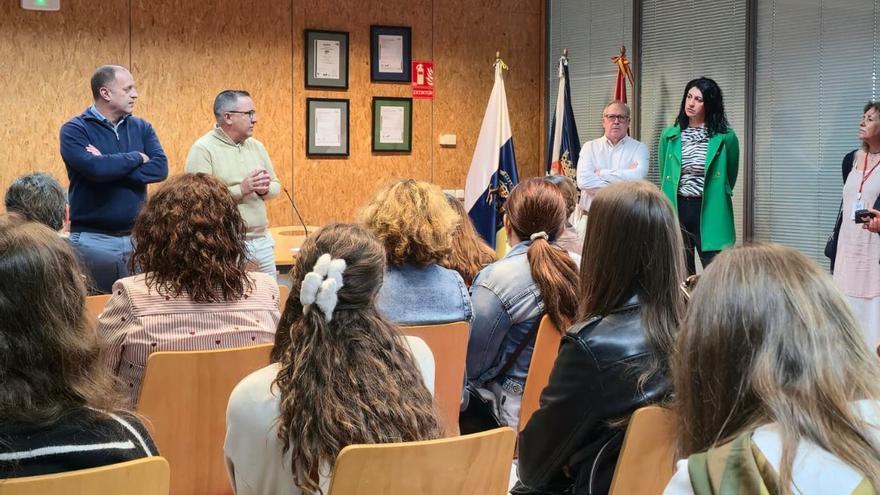
The IES Manuel Martín González school in Guía de Isora hosted the event, welcoming delegations from North Macedonia, Romania, Latvia, Portugal, Turkey, and Spain. This activity is part of the Erasmus+K220 project, making the Tenerife school the only one in the Canary Islands chosen for this type of European partnership. It received support from the Cabildo (local government) and UTE Nivaria.
The program's main goal was to boost young people's environmental awareness. It gave them tools to understand how individual choices impact the global waste cycle and highlighted the importance of a circular economy. Alejandro Molowny, Tenerife's Director of Waste, noted how interested participants were in the island's waste management system, particularly in how different types of plastic are processed after being collected.
The agenda included technical visits to key facilities like the Packaging Classification Plant and the Tenerife Integrated Solid Waste Plant, which are crucial for understanding waste treatment. Students also spent a day volunteering, collecting plastics at San Juan Beach. This gave them firsthand experience of how waste affects marine ecosystems. To further their academic understanding, they visited the University of La Laguna's Chemistry Faculty, where Professor Javier Hernández Borges gave a presentation on plastics and their environmental effects.
To conclude the week, participants transformed some of the collected plastic into reusable keychains. This activity not only promoted the circular economy but also encouraged them to think critically about their consumption habits and the need for sustainable resource management.