
Europe's Oldest Gentoo Penguin Dies at Loro Parque Aged 39
Loro Parque announced the death of Europe's oldest gentoo penguin in human care, which lived to an exceptional age of nearly 40 years, highlighting the park's dedication to conservation and animal welfare.
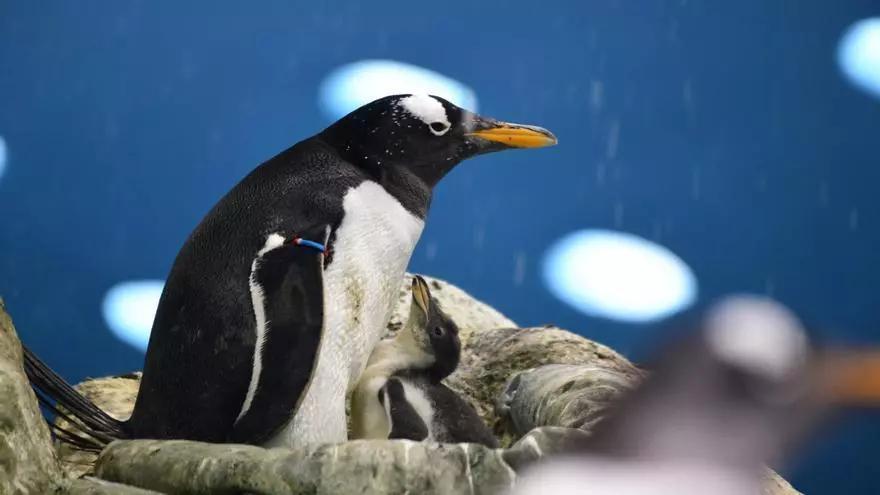
Loro Parque announced this week the death of a very special animal: Europe's oldest gentoo penguin (Pygoscelis papua) living in human care. The penguin passed away at 39 years and 11 months, an incredible age that is more than double the typical lifespan for its species, which usually live 15 to 20 years in the wild.
This penguin's life was carefully documented in ZIMS (Zoological Information Management System), a global database used by thousands of zoos and aquariums worldwide. ZIMS helps track each animal's health, genetics, and behavior, ensuring high standards of care and transparency, which are key values at Loro Parque.
For almost 40 years, this penguin was a vital resident of Planet Penguin, one of the world's most advanced penguin habitats. It served as a powerful example of the park's dedication to expert animal care, conservation efforts, and educating the public about the environment.
Rafael Zamora, the scientific director of Loro Parque Foundation, explained that in modern zoos and aquariums like Loro Parque, penguins are safe from the many dangers they face in the wild. He noted that issues like global warming have severely damaged their natural homes, putting these species at risk.
Loro Parque highlighted that the global situation for penguins is alarming. According to the IUCN Red List, 11 out of the 18 penguin species worldwide are now threatened. Antarctica, for example, has seen a record loss of sea ice, which penguins need for breeding and for finding krill, a crucial part of their diet.
Given these challenges, the exceptionally long life of this particular penguin is very significant. It highlights the important role that places like Loro Parque play in protecting vulnerable species and creating scientific knowledge that is shared globally through systems like ZIMS.
Planet Penguin is home to four species of penguins: emperor, gentoo, chinstrap, and Humboldt. Their habitat is designed to closely mimic nature, featuring seasonal lighting, constant ice production, and carefully controlled environmental conditions.
Almudena González, who leads Planet Penguin, stressed that the facility offers an "ideal environment" where penguins can behave naturally, safe from the dangers they would encounter in the wild.
The penguin's entire life story – its growth, health, behaviors, and remarkable longevity – was recorded in ZIMS. This detailed record will help future research and continuously improve animal welfare practices at conservation centers globally.
For many visitors, this penguin was a symbol of Loro Parque. It touched several generations, inspiring thousands of people to take a lasting interest in nature and the protection of polar environments.
Loro Parque concluded by saying that the penguin's passing honors not only an extraordinary animal but also the park's ongoing dedication to conservation, science, and animal welfare. These principles will continue to guide their efforts to benefit global biodiversity.