
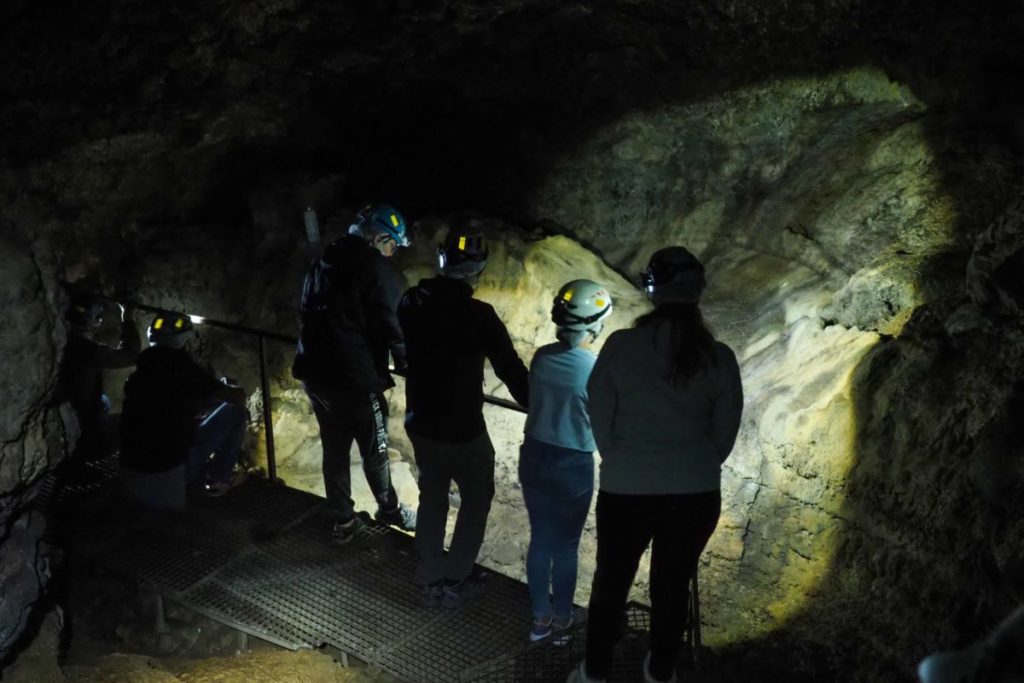
Environmental Group Launches Inquiry Into Sewage Contamination of Cueva del Viento
The Canary Islands Business Association of Environmental Consultants has launched a formal inquiry into government officials over decades of inaction regarding sewage contamination threatening the Cueva del Viento volcanic tube.
After thirty years of administrative gridlock, the long-standing struggle to protect the Cueva del Viento in Icod de los Vinos has reached a breaking point. The Canary Islands Business Association of Environmental Consultants (AECCM) has launched a formal inquiry to hold officials accountable for the ongoing damage to the world’s fifth-longest volcanic tube, which continues to suffer from sewage contamination.
The primary issue is a lack of proper sanitation infrastructure in nearby areas like Los Piquetes and Camino Marengo. Because these neighborhoods are not connected to a sewage network, domestic waste is leaking into the ground. This threatens a unique underground ecosystem that is officially protected as a Special Area of Conservation under the Natura 2000 network. This is a long-standing failure; as far back as 1998, planning documents warned that the cave was at risk from fecal contamination and required urgent sewage treatment systems. Despite these warnings being included in current management plans, they have never been implemented.
The AECCM has now formally requested information from the Canary Islands Government, the Tenerife Island Council, the Island Water Council, and the Icod de los Vinos City Council. They are demanding an audit of management decisions made since 2014 and an explanation for the ongoing inaction. Additionally, the association is questioning the Ministry of Culture and the public company IDECO about current environmental protocols, specifically whether the site’s commercial tourism activities are harming its preservation.
Juan Rumeu, president of the AECCM, stated that this failure is a clear sign of poor political management that has ignored years of warnings from local groups, such as the Benisahare Speleology Group. The association maintains that officials cannot escape responsibility simply because of changes in government. They have warned that if their investigation uncovers evidence of negligence or a failure to uphold legal duties, they will refer the case to the Public Prosecutor's Office.
The AECCM is not just looking for answers; they are demanding a clear timeline for repairs, an updated technical assessment, and a financial plan to stop the degradation of this natural landmark. With a track record of successful environmental legal challenges—including the recent case of Playa Jardín in Puerto de la Cruz—the association’s intervention signals a new, more aggressive approach to holding authorities accountable for failing to protect one of Europe’s most significant volcanic sites.