
El Rosario Celebrates Rural Heritage and Artichoke Production to Bolster Local Agriculture
The town of El Rosario in Tenerife recently hosted a dual event celebrating rural heritage and the local artichoke industry to support the region's struggling agricultural sector.
This past weekend, the town of El Rosario in Tenerife hosted a dual event celebrating rural heritage and local food production just ahead of Holy Week. The municipality has successfully combined cultural education with support for its primary sector—a vital strategy at a time when the Canary Islands' agricultural industry is struggling to attract a new generation of farmers.
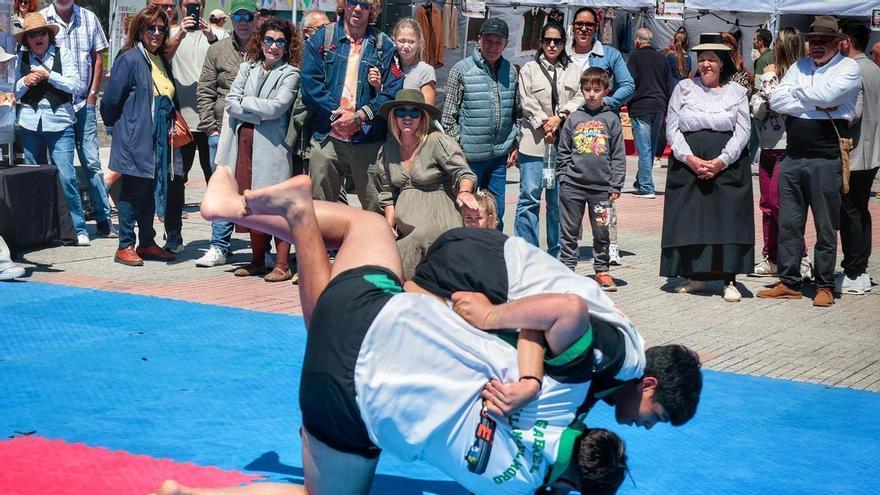
The centerpiece of the weekend was the 11th annual Day of Traditions. The event showcased traditional crafts, such as basketry and the weaving of the "manta esperancera," alongside performances of island traditions like "juego del palo" and Canarian wrestling. A livestock exhibition also gave urban families a rare, hands-on look at animal husbandry. This direct interaction highlighted the growing divide between city life and rural reality, while also drawing attention to the challenges local producers face, particularly the rising costs that are forcing many to abandon their farms.
The event also highlighted the artichoke, a key crop for the local economy. El Rosario produces roughly 80% of the archipelago’s artichokes, making it a vital local asset. Beyond the popular "Ruta de la Tapa," which featured local restaurants, the event included technical sessions where experts discussed the recovery of ancient crop varieties from La Esperanza. This work is essential for preserving agricultural biodiversity in an era of mass-produced, standardized crops.
By blending cultural heritage with economic support, El Rosario is creating a sustainable model for tourism that honors its local identity. By combining scientific knowledge with the revitalization of the service sector, the town is working to protect a crop that is not just a culinary staple, but a cornerstone of its agricultural history and a necessary engine for future development.