
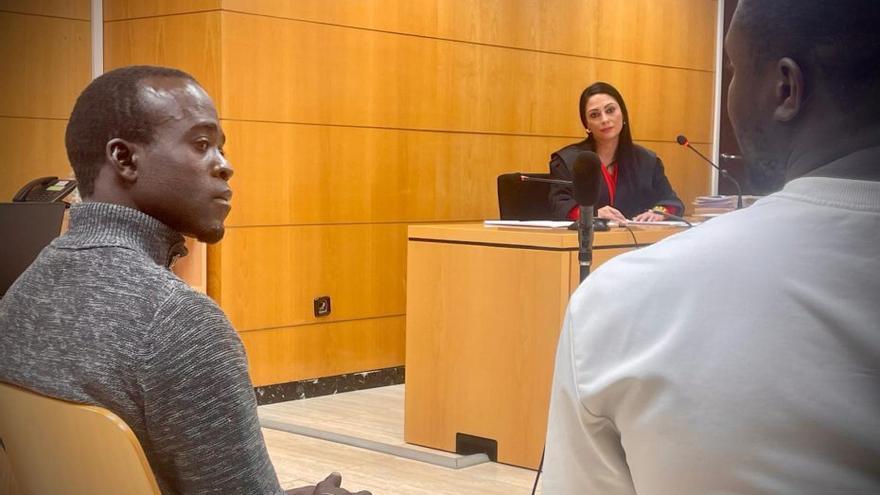
El Hierro Migrant Smuggling Trial: Digital Evidence Challenged
Prosecutors are seeking a six-year prison sentence for a man accused of human trafficking, based on digital evidence from a migrant boat, but the reliability and admissibility of that evidence are currently being debated in court.
Prosecutors are asking for a six-year prison sentence for a man who was on a small boat (cayuco) that reached El Hierro on April 28, 2024. They accuse him of helping people enter the country illegally. This accusation, it turns out, is based on information found on a mobile phone and a GPS device from the boat. However, whether this evidence can actually be used in court is now being debated by judges.
Prosecutors claim that the digital information, which the National Police's Ucrif unit analyzed five months after the boat arrived, suggests the man was the one steering the vessel. The evidence includes photos of the accused on the boat, wearing a life vest with a GPS sticking out. They also say the device holds conversations about money arrangements for the trip, how payments were shared among family members, and mentions of guiding a similar boat before. To prosecutors, all this is enough to call the accused a "professional skipper."
But the defense lawyer, Victoria Díaz, is asking for the man to be found not guilty, arguing that the evidence might not be reliable. Díaz told the court that the mobile phone's "chain of custody" (the record of who handled it) might have been broken during the five months before it was forensically examined. She also questioned who owned the phone, pointing out it had no password. This, she argued, means anyone could have tampered with it or put files on it, making it unreliable as evidence against her client.
The boat, which left Africa with 54 people, didn't immediately show Guardia Civil officers who was steering it. In fact, the first police report didn't even mention a GPS or mobile phones. It was only during a later check, days after everyone got off the boat, that both devices were found and given to the unit handling the case. This case highlights how difficult it is to identify who pilots these boats on migration routes. It also shows how digital evidence is becoming more important in these court cases, but also how easily it can be challenged.