
El Hierro Boosts Desalination Capacity by 15% to Secure Water Supply
El Hierro has increased its daily drinking water production by 15% and launched a major irrigation initiative following a multi-million euro investment in upgraded desalination infrastructure.
El Hierro has reached a major milestone in managing its water resources, a critical step for an island that frequently struggles with low rainfall. Recent upgrades to the Los Cangrejos and La Restinga plants have boosted the island’s drinking water production by 15%, bringing the daily total to 6,000 cubic meters.
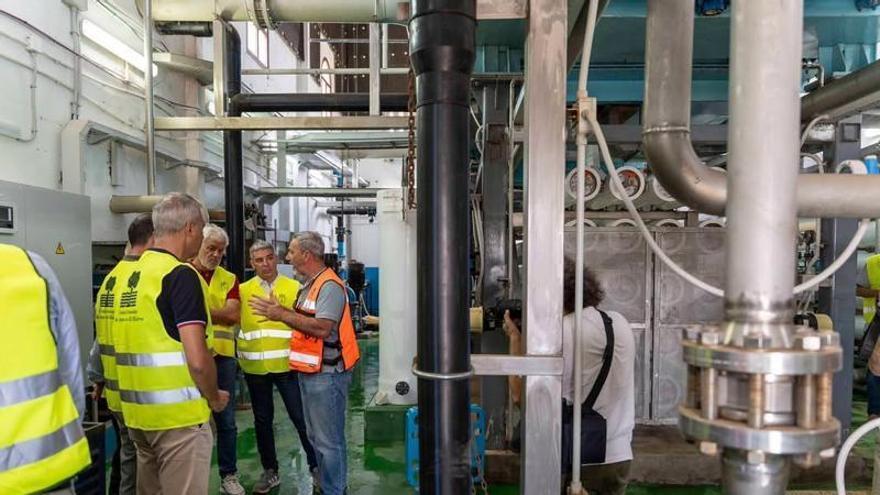
A 1.9 million euro investment at the Valverde plant was essential to keep up with the island’s growing population and agricultural needs. The facility now features a new rack with 140 reverse osmosis membranes. This upgrade not only increases the plant's base capacity to 1,200 cubic meters per day—with the ability to scale up to 1,800 during emergencies—but also improves efficiency, cutting electricity consumption by 30%.
Overseen by the Canary Islands government, this project aims to do more than just provide tap water. By integrating desalinated water into the agricultural sector, the island can reduce its reliance on traditional underground aquifers. To support this, the regional government has invested an additional 1.5 million euros in portable, containerized desalination plants. This initiative will provide 900,000 cubic meters of water annually for irrigation, supporting 100 hectares of farmland and over 250 local farmers. This shift helps preserve urban water supplies and strengthens the island’s food security.
During the project handover on July 3, 2026, Deputy Minister of Water and Emergencies Marcos Lorenzo noted that these improvements, completed over the last two years, were a direct response to the region's recent water crisis. Alpidio Armas, President of the Cabildo, highlighted the environmental benefits, noting that the plants have been soundproofed to ensure they can operate continuously without disturbing the surrounding area.
With production now secured, authorities are turning their attention to improving the island’s storage and distribution networks. Because desalination is energy-intensive, this project serves as a new model for the Canary Islands, proving that it is possible to balance a reliable water supply with both economic and environmental sustainability.