
Earthquake Swarms Back at Teide; Tenerife Authorities Stress Preparedness
The National Geographic Institute confirms the return of earthquake swarms in Tenerife's Teide area, indicating ongoing volcanic activity and prompting reminders for emergency preparedness.
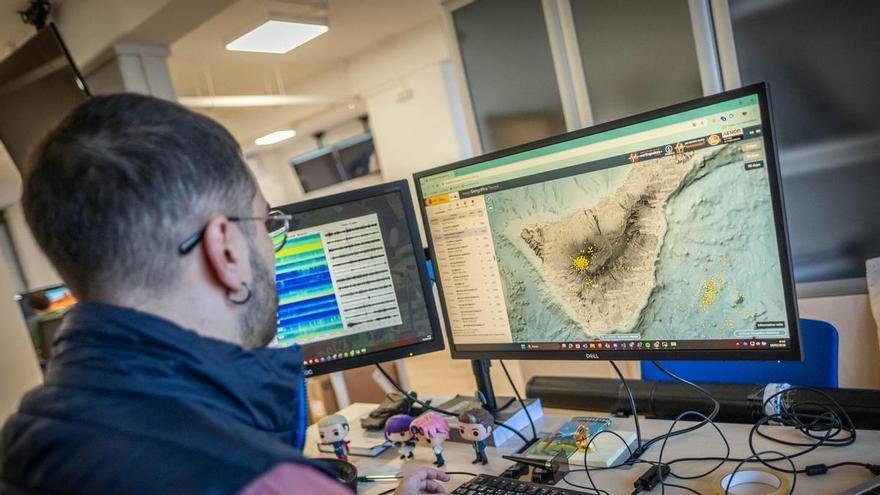
The National Geographic Institute (IGN) has confirmed that earthquake swarms are back in the Teide area of Tenerife. In recent hours, there have been about a dozen tremors, similar to the activity seen last February. This shows that the island's volcano system is always active. While these events don't always lead to an eruption, they serve as a constant reminder of the potential danger to nearby communities.
Because of this geological activity, authorities stress that being prepared is key to managing risks. Having a well-stocked emergency kit can make a big difference if people need to evacuate, turning a possible crisis into an organized and effective response.
Civil protection experts recommend that every household, especially those in higher-risk areas near Teide, should have basic supplies. Drinking water is a top priority; it's advised to have at least four liters per person per day for a minimum of three days. For food, include non-perishable items like energy bars, canned goods, and dried foods, which are important for keeping energy up during a wait or a move to a safe shelter.
A first-aid kit is also essential. It should contain supplies for basic wound care, antiseptics, and any personal medications you need. Protecting your breathing from volcanic ash is crucial, so it's wise to include N95 masks. These masks are designed to filter out fine particles that can harm your lungs.
To help with shelter and communication, thermal blankets are important for staying warm, especially if there's a power cut or cold weather. Flashlights and battery-powered radios, along with spare batteries, are vital for staying updated with official news. Finally, important personal documents—like IDs, insurance papers, and medical records—should be easy to access and protected, ideally in waterproof holders or digital form.
Beyond physical items, preparation also means planning. Having a clear evacuation plan and knowing escape routes, along with staying informed, helps people feel more at ease. This proactive approach not only keeps people safe physically but also offers emotional comfort against the uncertainty caused by events like earthquake swarms, giving a sense of control and security during potentially chaotic times.