
DOCanarias Film Festival Spotlights Cape Verdean Cinema and Decolonization Narratives
The Canary Islands International Reality Film Festival is spotlighting Cape Verdean cinema this year, featuring documentary premieres that utilize historical archives to explore themes of decolonization and historical memory.
The Canary Islands International Reality Film Festival (DOCanarias), held in Puerto de la Cruz from September 8 to 12, is spotlighting Cape Verdean cinema this year. Organizers say the focus is about more than just cultural exchange; it aims to explore the region’s historical memory and its journey toward decolonization.
On September 9, the Sala Timanfaya will host two major premieres: Amílcar, directed by Miguel Eek, and Nós, povo das ilhas, co-produced by Elson Santos and Lara Sousa. While Amílcar is making its regional debut in the Canary Islands, Nós, povo das ilhas is being shown in Spain for the first time. Both sets of filmmakers will be in attendance to discuss their work.
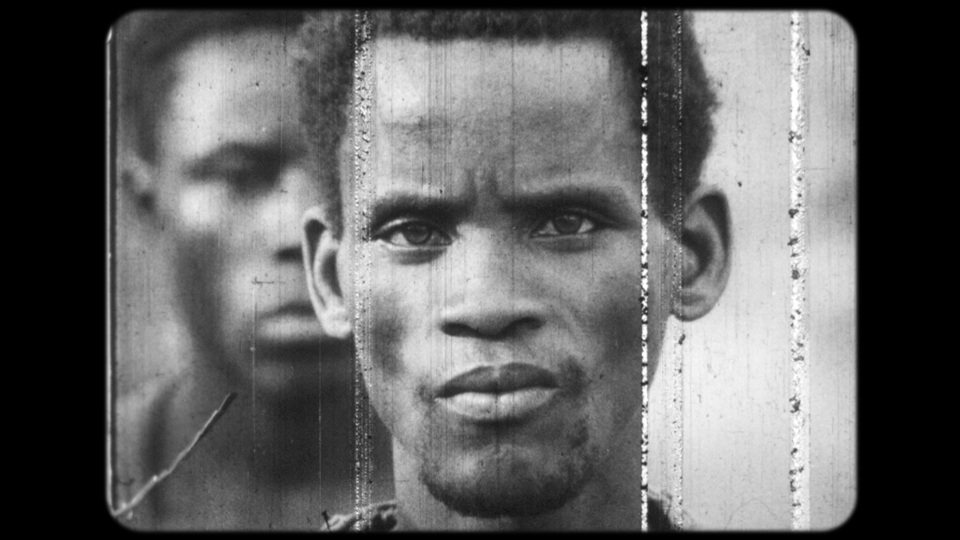
These films highlight a growing trend in documentary filmmaking: using historical archives to bring silenced stories to light. Eek’s Amílcar examines the life of the anti-colonial leader of Guinea-Bissau and Cape Verde, Amílcar Cabral, who was assassinated in 1973. The film uses previously unseen footage and the politician’s own personal writings to tell his story. Meanwhile, Santos and Sousa center their documentary on a forgotten photograph of Cape Verdean fighters trained in Cuba, using it as a starting point to explore the country's fight for independence.
The production of these films has also sparked a conversation about the ethics of representation. Both Eek and Santos noted the political and logistical challenges of accessing archives held by former colonial powers. Eek, in particular, addressed the irony of using European funding and technical crews to tell an anti-colonial story, choosing to weave this contradiction directly into the film’s narrative.
Ángeles Jurado of Casa África highlighted the importance of this showcase, noting that featuring African cinema is a vital step toward building connections and dismantling prejudices. Filmmaker Elson Santos agrees, arguing that cinema should move beyond the tired stereotypes that often portray Africa only through the lenses of misery or exoticism. For Santos, the goal is to create new narratives while critically challenging dominant perspectives—a process he believes is essential to decolonizing both the audience’s viewpoint and the film industry itself.