
DNA Evidence Takes Center Stage in Tenerife Sexual Assault Trial
A trial in Santa Cruz de Tenerife is highlighting the critical role of forensic DNA evidence in a sexual assault case where the defendant’s testimony directly contradicts expert findings.
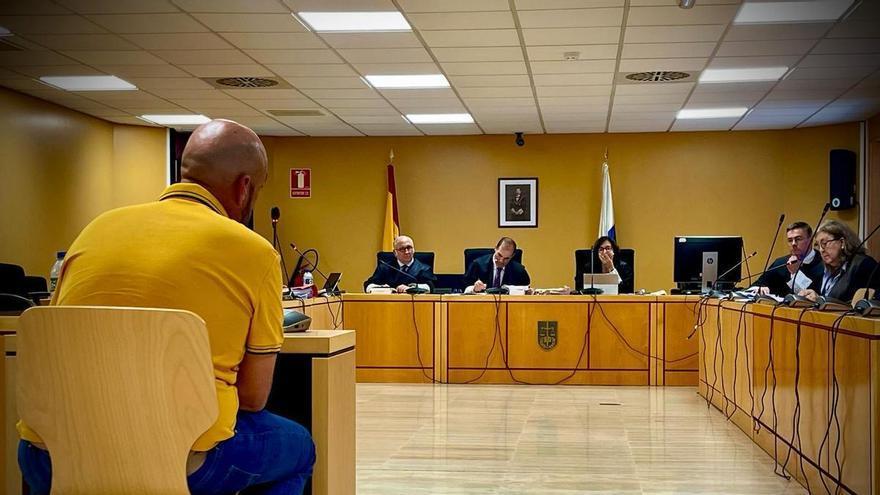
A trial currently underway at the Provincial Court of Santa Cruz de Tenerife has underscored how vital scientific evidence is in sexual assault cases, especially when the accounts of those involved directly contradict one another. As reported by El Día, the case involves a taxi driver from Adeje accused of sexually assaulting a German woman in the early hours of September 30, 2022.
The case hinges on a conflict between the defendant’s testimony and forensic evidence. The driver denies the assault, claiming his DNA was found on the victim only through accidental contact during the ride. However, experts from the Institute of Legal Medicine rejected this explanation. They testified that the probability of the biological material found on the victim belonging to anyone else is virtually zero, noting that the match is 81 million times more likely than a random profile. Furthermore, the experts stated that the location of the DNA is inconsistent with casual contact and would have required intimate interaction.
During the hearing, the prosecution challenged the defendant’s version of events. The driver admitted he allowed the woman to sit in the front passenger seat because she was talkative, despite the language barrier. Additionally, his account of stopping at a 24-hour shop contradicts the victim’s timeline; she claims the stop occurred before he detoured to a vacant lot, where the prosecution alleges the assault took place.
The victim’s family spoke to the profound psychological impact of the incident. Her father testified that he feels responsible for recommending she take a taxi for her safety, a decision he says has led to a severe decline in his daughter’s mental health and career stability.
The legal teams remain deeply divided. The prosecution is seeking a ten-year prison sentence and 25,000 euros in compensation. Meanwhile, the defense continues to push for an acquittal, citing independent experts who suggested the possibility of cross-contamination—a theory that did not shake the strength of the official forensic reports. The case highlights the critical role of DNA evidence in the Spanish judicial system as a primary tool for establishing the truth in serious criminal cases.