
DGT Unveils New Emergency Alert System, Traffic Jam Lane Rule
Spain's DGT is implementing a new real-time emergency alert system and requiring drivers to create emergency lanes during severe traffic jams to boost road safety this year.
The year has begun with a significant change for drivers: the V16 emergency beacon officially replaced traditional warning triangles on January 1st. But this isn't the only update coming from Spain's traffic authority this year.
The Directorate-General for Traffic (DGT) is introducing a new emergency alert system this year. This system aims to change how drivers, particularly in places like Tenerife, respond to unexpected incidents on the road. The main goal is to boost road safety and cut down on accidents across Spain.
This new measure is designed to speed up the arrival of emergency services – ambulances, firefighters, and police. By doing so, it will make roads safer and help injured people get evacuated more quickly.
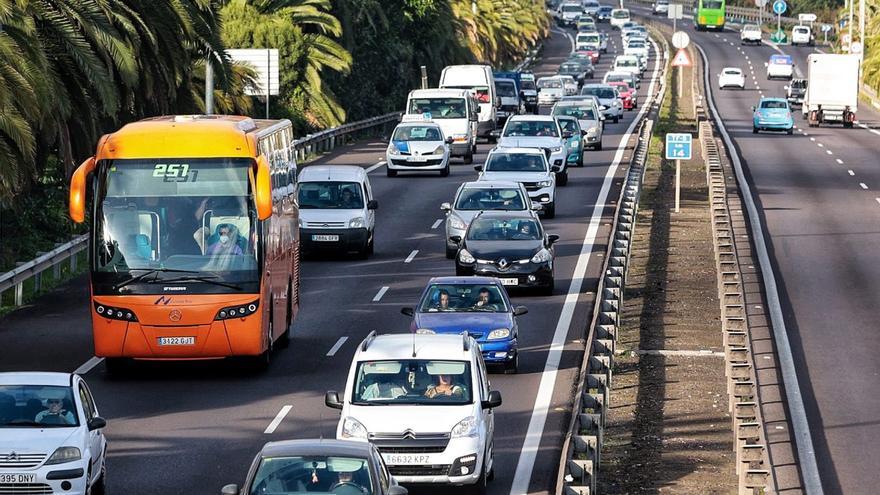
Changes to the General Traffic Regulations will also introduce a new rule for drivers on motorways and expressways. During severe traffic jams, drivers will be required to move their vehicles to the sides, creating an emergency lane. This practice is already common in several other European Union countries. The idea behind this is to allow emergency services to reach accident scenes faster.
The new alert system will give drivers early notice when an emergency vehicle is approaching. This means road users will get a warning even before they can see or hear the sirens and lights.
Traffic sources explain that, from this year, these centers can share real-time information with the DGT 3.0 platform. The platform will then send alerts to vehicles driving near an accident or any other incident on the road.
The DGT 3.0 platform was launched in 2017. Since then, the DGT has been developing connectivity and real-time information services for vehicles. Currently, drivers already get warnings about accidents, traffic jams, or broken-down vehicles, thanks to the V-16 signals' geolocation feature, according to Blanco.
While the technology is ready for implementation this year, it will require cooperation from all government bodies and emergency services to upload this crucial information to the platform.