
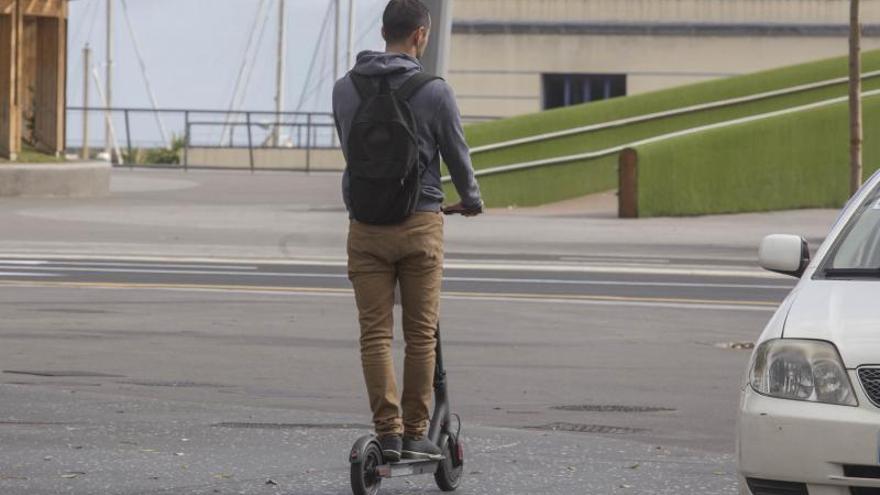
DGT Reiterates Mandatory PMV Registration Rule
Spain's Directorate-General for Traffic (DGT) has reiterated that Personal Mobility Vehicles (PMVs) must be registered and display an identification label since January 30, with non-compliance incurring significant fines and potential vehicle immobilization.
The Directorate-General for Traffic (DGT) has again reminded everyone that Personal Mobility Vehicles (PMVs) must be registered in the National Vehicle Registry. This rule has been in effect since January 30. It's part of the authorities' plan to manage urban transport, which has grown rapidly in recent years, creating new challenges for road safety and how people share public spaces.
With so many electric scooters and similar devices now in use, the DGT wants clearer rules. Their goal is to safely integrate these vehicles into the existing traffic system. The main aims are to improve road safety, gain more control over PMVs, and ultimately reduce accidents involving these vehicles, which are becoming increasingly common in Spanish cities.
The DGT defines PMVs as electric vehicles with one or more wheels, designed for a single person, and capable of speeds between 6 and 25 km/h. To be used legally, these devices must have a registration certificate from the light personal vehicle registry and display an identification label. Furthermore, regulations forbid them from being used on pavements, pedestrian areas, urban crossings, motorways, dual carriageways, interurban roads, or in tunnels.
The registration process is done online through the DGT's website. Owners, whether their vehicle is a certified model or not, need to log in using Cl@ve, a digital certificate, or an electronic ID. They then enter their personal details and the vehicle's information. It's crucial to attach a photo of the PMV's identification plate or technical data sheet. If the rider is under 18, their legal guardian must complete the process, providing their own contact details. After paying the required fee, a digital registration certificate can be downloaded. This certificate allows you to get the official identification label, which must be placed in the vehicle's designated holder or, if there isn't one, in a clearly visible spot.
Not following these rules can lead to significant financial penalties. Fines for not having mandatory insurance range from 202 to 610 euros, while riding without this insurance can result in penalties between 250 and 800 euros. Besides fines, traffic officers can also immobilize the vehicle until the rider proves they have the required insurance. The authorities stress the importance of following these rules to ensure greater road safety and avoid these penalties.