
DGT Increases Road Safety Checks as Spain’s Summer Travel Season Begins
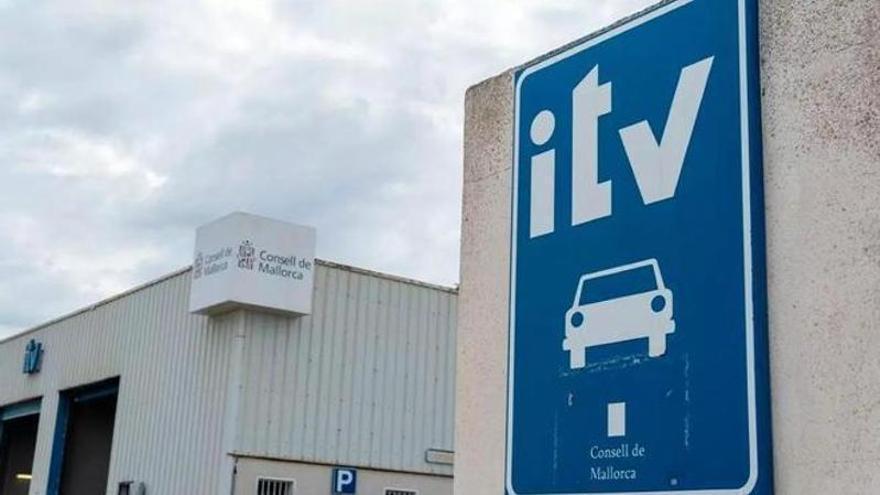
The Spanish Directorate-General for Traffic has intensified vehicle inspections and enforcement of mandatory ITV requirements as summer travel increases road safety concerns.
Road safety on Spanish highways is back in the spotlight as summer travel increases. During this busy period, the Directorate-General for Traffic (DGT) is stepping up checks to ensure cars meet all technical requirements. As the Royal Automobile Club of Spain (RACE) points out, keeping a vehicle’s mechanical and emissions systems in good working order isn't just a legal obligation—it is essential for everyone's safety.
Current regulations clearly define which vehicles must undergo inspections and which are exempt based on their age or type. A recent update to the Historic Vehicles Regulation introduced a major change: cars and mopeds classified as "historic" that are over 60 years old are now exempt from periodic inspections. However, owners are still responsible for ensuring their vehicles remain safe to drive.
New vehicles are granted a grace period before their first inspection, which varies depending on the type of vehicle. Once this period expires, regular inspections become mandatory. Drivers must display the V-19 sticker in the upper right corner of their windshield as proof that they have passed the test.
Failing to display this sticker results in a 100-euro fine for a minor infraction. Driving with an expired inspection is more serious and carries a 200-euro fine, even if you have already booked an appointment. In the most severe cases—driving a vehicle that has failed its inspection—the fine increases to 500 euros, and the vehicle may be immediately immobilized because it is considered a direct safety risk. These rules highlight why the ITV (vehicle inspection) is a vital safety measure, especially with more people heading out on long-distance trips throughout July and August.