
DGT Increases Road Checks: New V16 Beacon Rules and Documentation Requirements Explained
Spanish traffic authorities have intensified road checks to enforce vehicle documentation requirements and the mandatory use of V16 emergency beacons ahead of the 2026 transition.
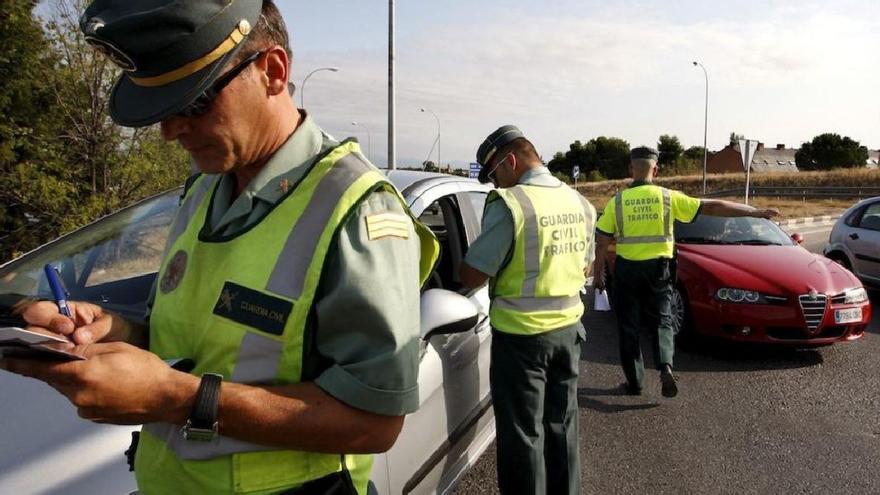
The Directorate-General for Traffic (DGT) and the Civil Guard are stepping up road checks to ensure drivers are following all technical and documentation rules. Authorities emphasize that road safety—both on the mainland and in the Canary Islands—depends on following these regulations, and failing to do so will result in fines.
A key change is the mandatory use of the V16 emergency beacon, which will replace traditional hazard triangles starting January 1, 2026. Drivers must keep this device inside the vehicle where it is easy to reach. In the event of a breakdown or accident, it must be placed on the highest part of the vehicle to ensure maximum visibility. Using an unapproved device or failing to carry one will result in an 80-euro fine.
Vehicle documentation is also a major focus of these checks. Under Article 26 of the General Traffic Regulations, drivers must carry their vehicle registration certificate (or a provisional authorization) and present it when requested by officers. Driving without the document on hand carries a 10-euro fine, while having an outdated document results in an 80-euro fine. If a vehicle lacks a permit entirely, fines can reach up to 500 euros.
These rules apply to all vehicles, including those used for agriculture, construction, or other services. However, drivers do not need to carry proof of payment for the circulation tax, as this information is already available in the administration’s digital records. Ultimately, these measures aim to improve road safety by ensuring all vehicles are properly equipped and documented.