
DGT Deploys 33 New Speed Cameras Across Spain
Spain's DGT has added 33 new fixed and average speed cameras to its national road network since last Friday, including a significant increase in the Canary Islands, with a one-month grace period before fines are issued.
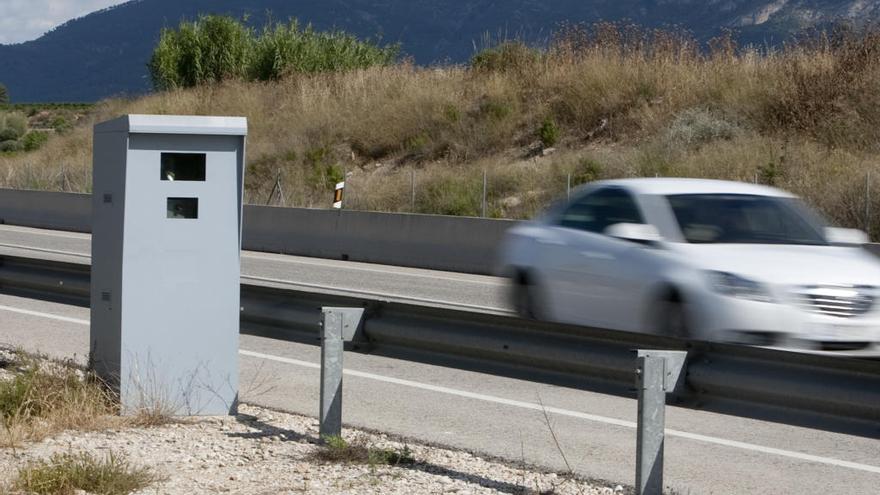
Spain's traffic authority, the DGT, has added 33 new speed cameras to its network across Spanish roads since last Friday. These new devices include both fixed cameras and average speed cameras. This move, which covers various regions, with a significant increase in the Canary Islands, highlights the DGT's ongoing commitment to road safety and reducing accidents, a top priority for the agency.
In the Canary Islands, where the DGT has already issued over 118,000 speeding tickets this year, three of these new cameras have been installed. On Tenerife, a new fixed speed camera is now active on the TF-1 motorway at kilometre 76.940, heading south. Gran Canaria gained two cameras: a fixed one on the GC-20 at kilometre 2.700, heading south, and an average speed camera on the GC-23. This average speed camera covers the northbound stretch between kilometre 1.480 and 4.030. Average speed cameras measure a vehicle's speed over a longer distance, encouraging drivers to maintain a steady, safe speed.
Beyond the Canary Islands, new speed cameras have also been installed in Andalusia, Aragon, Asturias, Cantabria, Castilla-La Mancha, Castilla y León, the Valencian Community, the Community of Madrid, Galicia, and Murcia.
These new cameras come with an initial warning period. For the first month of operation, drivers caught speeding will receive a notification but won't be fined. After this grace period, any speeding offence detected will result in a fine of €100 to €600 and a deduction of 2 to 6 points from the driver's licence, depending on how serious the speeding was.
The DGT says these measures are necessary to reduce the impact of road accidents, explaining that higher speeds make it harder to react and lead to more severe injuries. The agency points out that since fixed speed cameras were first introduced in 2005, road deaths have fallen by 75%. This reinforces their belief that these cameras are effective tools for preventing accidents and improving road safety.