
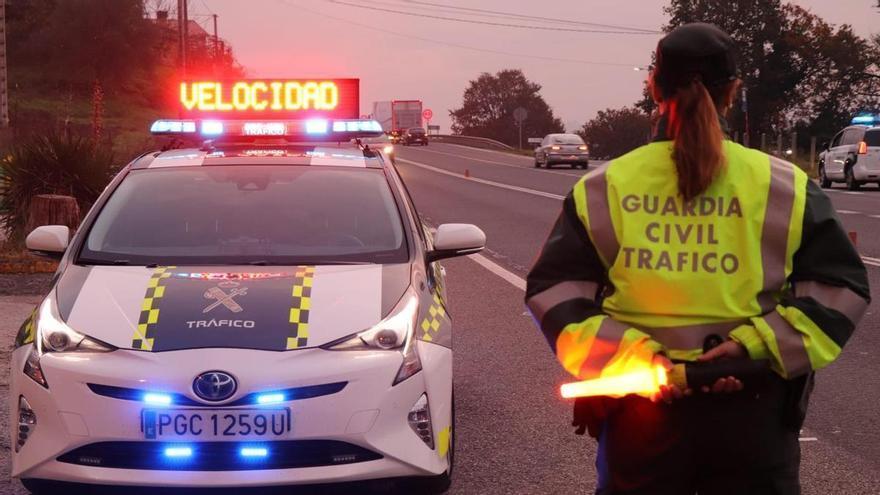
DGT and Civil Guard Reinforce Urban Speed Limits to Enhance Road Safety
Spanish authorities are reinforcing urban speed limits and strict penalty systems to enhance road safety and protect vulnerable users in line with European traffic-calming initiatives.
Road safety is back in the spotlight following recent updates from the Directorate-General for Traffic (DGT) and the Civil Guard. Both agencies stress that sticking to speed limits is essential to reducing accidents and protecting vulnerable road users, particularly pedestrians.
Current regulations set three main speed limits for city streets:
- 20 km/h on single-platform roads.
- 30 km/h on streets with one lane in each direction.
- 50 km/h on roads with two or more lanes in each direction.
Local councils have the authority to lower the 50 km/h limit on major urban roads if they feel it is necessary for safety.
To encourage compliance, authorities continue to enforce a strict penalty system. Speeding fines range from €100 to €600, with between two and six points deducted from a driver’s license, depending on the severity of the offense. This policy highlights the clear link between a vehicle’s speed and the risk of serious injury during a collision.
On roads outside of cities, the limits remain 90 km/h for conventional roads and 120 km/h for highways and dual carriageways for cars and motorcycles.
The rules also clarify the status of other road users:
- Bicycles are permitted on dual carriageways unless signs state otherwise, with a speed limit of 45 km/h and a mandatory helmet requirement.
- Mopeds are strictly prohibited from using highways and dual carriageways.
These regulations align with a broader European movement toward "traffic calming." Evidence shows that lower speeds not only reduce the number of accidents but also significantly improve survival rates for pedestrians and cyclists, supporting the sustainable transport goals currently being adopted across Spain.