
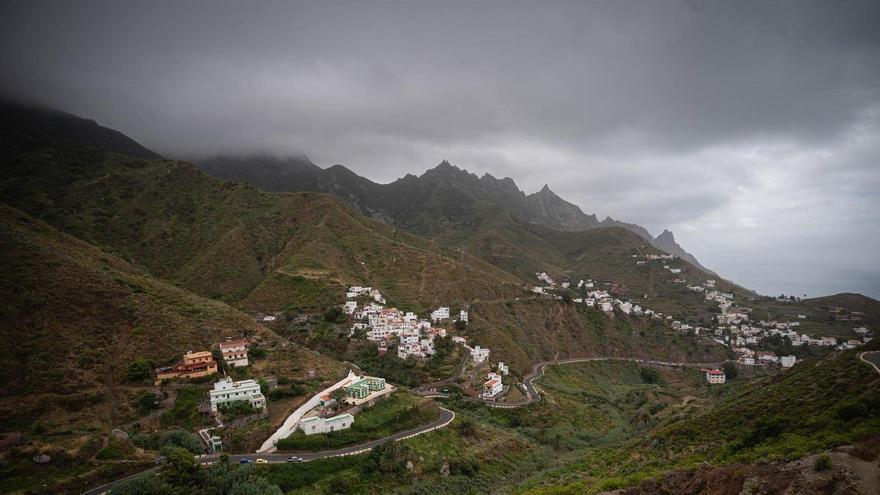
Depopulation and Bureaucracy Threaten Future of Canary Islands’ Taganana Village
The village of Taganana in the Canary Islands faces a demographic crisis as residents struggle with declining services, bureaucratic hurdles, and restrictive environmental regulations that threaten the future of rural life in the Anaga Massif.
The future of rural life in the Canary Islands is under threat, with the village of Taganana in the Anaga Massif serving as a stark example. According to a recent report by Diario de Avisos, the area is facing a steady decline in population. Luján González Izquierdo, president of the local neighborhood association, warns that there is a growing disconnect between government management and the real needs of the people living there.
While official records list nearly 400 residents, the number of people actually living in Taganana full-time is much lower. A clear sign of this decline is the local school, which now has only ten students—a sharp drop from the dozens of children who attended in previous decades. Young people are increasingly choosing to move to urban areas where services are more accessible, largely because the high cost of renovations and complex bureaucracy make it difficult to move into the village's many empty properties.
Residents also face significant challenges with basic services. Public transport is unreliable, forcing everyone to rely on private cars, and healthcare is limited to occasional scheduled visits, leaving the village without cover for much of the time. Furthermore, the local agricultural sector, once the backbone of the economy, has dwindled to mere subsistence farming as younger generations move away and necessary infrastructure fails to arrive.
The situation is further complicated by Taganana’s status as a Rural Park and Biosphere Reserve. While these designations are vital for protecting the environment, residents argue that the current regulations place an unfair burden on traditional activities like livestock farming. Many feel that this strict oversight, combined with a lack of support for those living in such rugged terrain, forces them to choose between environmental conservation and the ability to lead a functional, dignified life.