
Deep Sleep Essential for Brain Health and Dementia Prevention, Experts Say
Medical experts at Hospiten emphasize that deep sleep acts as a vital biological process for clearing brain waste and slowing the progression of neurodegenerative diseases.
Sleep is no longer seen as a period of inactivity; medical experts now recognize it as a vital tool for protecting brain health. To mark World Sleep Day, the Clinical Neurophysiology Service at Hospiten highlighted that deep sleep is an active biological process that can help slow down neurodegenerative diseases.
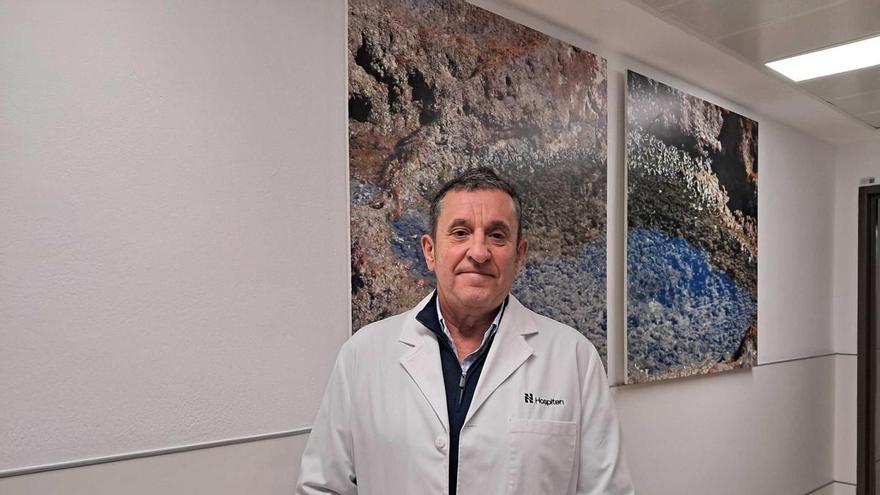
Dr. Txomin Navajas Carasa explains that during deep sleep, the brain undergoes a "metabolic cleansing." Using its lymphatic system, the brain clears out protein waste—specifically tau and beta-amyloid proteins—which are linked to the development of dementia. Because of this, the quality of your sleep is a key factor in your long-term neurological health. Sleep disturbances are not just a normal part of aging; they can also be early warning signs of conditions like Alzheimer’s or Parkinson’s.
Imaging studies, such as MRIs, show a clear link between poor sleep and the accelerated aging of brain tissue. Dr. Navajas Carasa notes that as we age, we often experience less deep sleep and more fragmented rest, which can speed up our biological clock. Without good sleep hygiene—such as keeping a consistent schedule, getting enough natural light, and exercising—people face a higher risk of memory loss, attention problems, and serious cognitive decline.
Because of this, treating sleep disorders is now considered a crucial part of preventative healthcare. The Hospiten network, which operates hospitals across Spain and Latin America, emphasizes that addressing sleep issues should be a standard part of healthy aging, turning rest into an active strategy for protecting the brain.