
Court Upholds Prison Sentence and Demolition Order for Illegal Bollulo Beach Construction
The Provincial Court of Santa Cruz de Tenerife has upheld the conviction of a restaurant owner for illegal construction at Bollulo Beach, ordering both criminal penalties and the demolition of unauthorized structures in the protected area.
The Provincial Court of Santa Cruz de Tenerife has upheld the conviction of the owner of the Bollulo Beach restaurant, setting a major precedent for coastal protection in the Canary Islands. In a ruling issued on April 6, the court rejected an appeal from Luis Francisco Arocha García and his company, Mercafruve S.L.U. The original sentence stands: an 18-month prison term, a 12-month fine of 20 euros per day, and a one-year ban from working in hospitality construction.
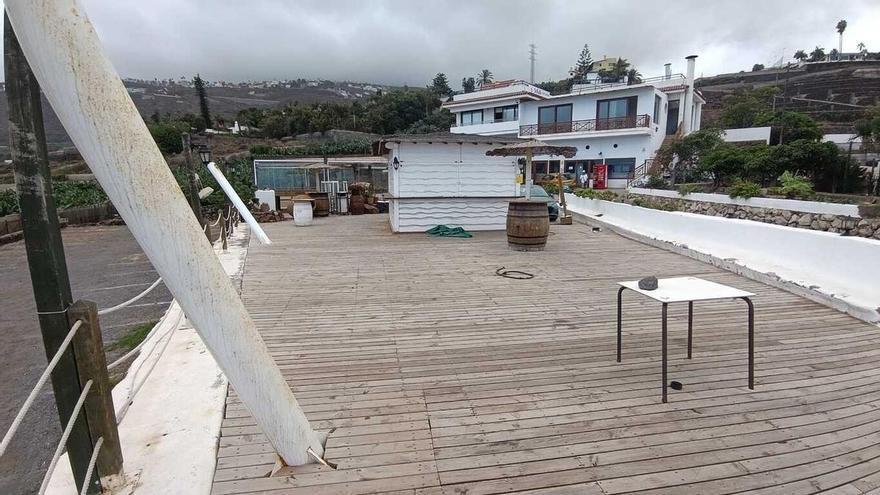
Beyond the criminal penalties, the court has ordered the demolition of all structures built without permits in this protected area. These include two paved surfaces covering 600 square meters, a 150-square-meter glass structure, a sales kiosk, and a machinery loading area. The court found that these projects, built between 2018 and 2021, violated both state coastal laws and local environmental protection plans for the El Rincón area.
The judges dismissed the defense’s claims that the developer was unaware of the law. They noted that the developer had received multiple warnings from municipal and regional authorities that the construction was illegal. The court emphasized that the developer’s repeated attempts to retroactively legalize the work were unacceptable and undermined urban planning laws.
The environmental group Coordinadora El Rincón – Ecologistas en Acción, which acted as a prosecutor in the case, welcomed the decision. While they are pleased that the court prioritized restoring the area’s ecological balance, they plan to continue their legal efforts. They intend to challenge a municipal license granted by the La Orotava City Council, arguing it violated coastal regulations, and have raised concerns about other unauthorized activities in the area, such as vacation rentals.
While this ruling is significant, the case could still be appealed to the Supreme Court. Nevertheless, the decision sends a clear message: environmental protection takes precedence over private interests, and illegal construction in protected areas will not be tolerated.