
Controversial Fonsalía Port Project Resurfaces in Canary Islands Mobility Plan
The resurgence of the Fonsalía port project in the Canary Islands' new mobility strategy has sparked renewed controversy and formal opposition due to its potential impact on a protected marine ecosystem.
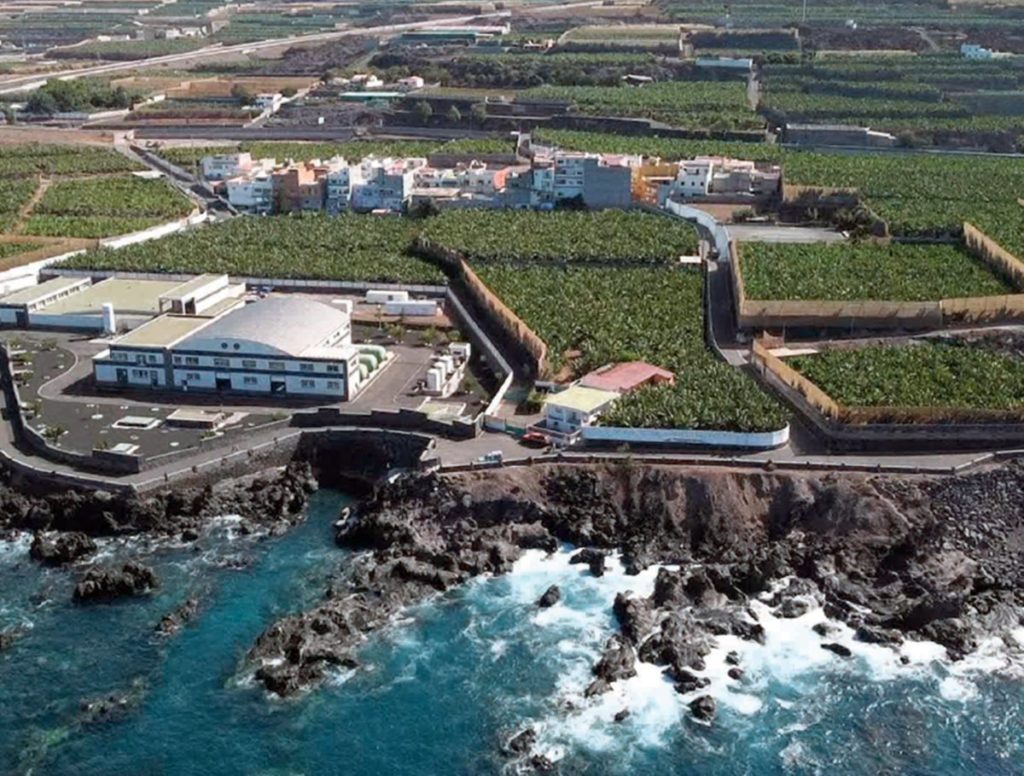
The Fonsalía port project has resurfaced in the Canary Islands’ new sustainable mobility strategy, reigniting a controversy many thought was settled in 2023. The inclusion of this infrastructure in the draft plan has prompted immediate pushback from social groups and the Tenerife Island Council, both of which are preparing formal objections before the November 30 deadline.
The debate has shifted from technical feasibility to environmental law. The proposed site sits within the Teno-Rasca Marine Strip, a 69,500-hectare area protected by the Natura 2000 network since 2011. Complicating matters, the Ministry for the Ecological Transition recently updated its management plan for the area, removing a previous exemption for the Fonsalía coastline and now classifying the port project as a direct threat to local biodiversity.
Experts, including 2025 Goldman Prize winner Carlos Mallo, have pointed out the contradiction of planning a major industrial project in a zone the government is legally committed to protecting. Scientific studies show that the very calm waters that make this site attractive for shipping are the same conditions that allow whales, dolphins, and sea turtles to feed and rest there.
First proposed 30 years ago to relieve congestion at the port of Los Cristianos, the project—estimated to cost over €200 million—would include five ferry docks, a fishing harbor, and dry docks. However, researchers from the University of La Laguna have long warned that increased maritime traffic would lead to habitat destruction and a higher risk of collisions with marine life. Public opposition peaked in 2021, when 400,000 signatures were collected, leading the regional Parliament to vote in favor of scrapping the project.
Despite a 2022 report from the public firm Tragsa advising against the site, and recommendations from civil engineers to simply upgrade the existing Los Cristianos port, the Ministry of Public Works has kept the project in its long-term plans. With a construction timeline of 10 to 15 years, the proposal has once again sparked a heated debate over how the island should balance transport needs with the protection of its fragile marine ecosystems.