
Conservation Groups Warn of Irreversible Damage to Tenerife’s Montaña Roja Reserve
Conservation groups have warned that human activity and inadequate oversight by the Tenerife Island Council are causing permanent ecological damage to the Montaña Roja Special Natural Reserve.
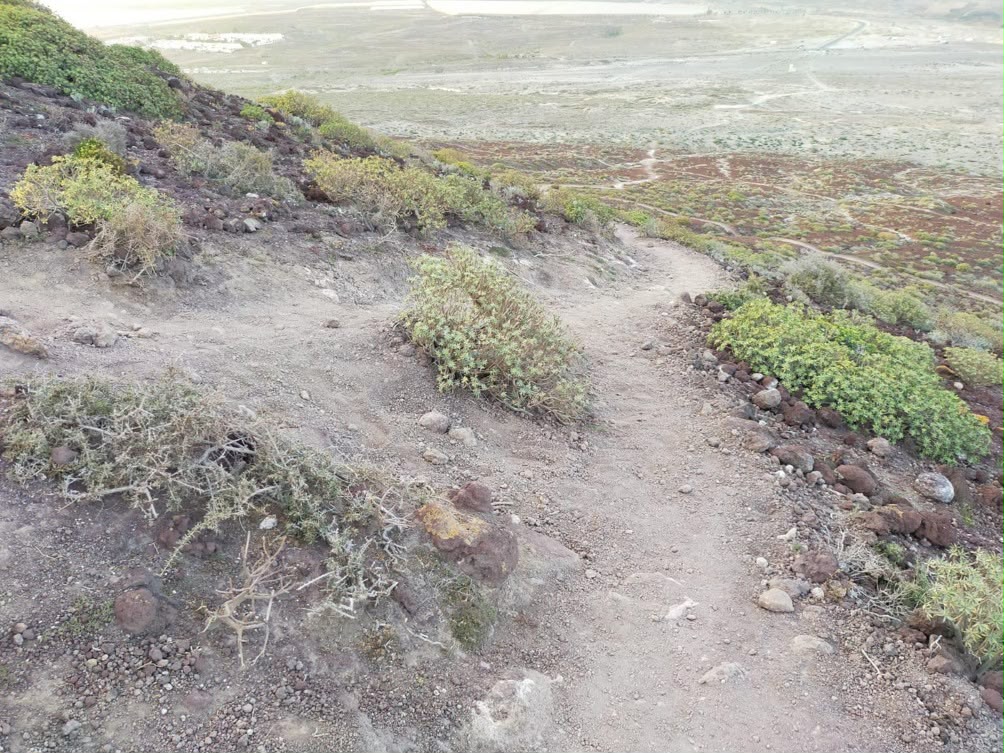
The Montaña Roja Special Natural Reserve in Granadilla de Abona, Tenerife, is facing a critical situation. A joint report from three major conservation groups—ATAN, ACBC, and the Telesforo Bravo-Juan Coello Foundation—warns that human activity has damaged the area’s ecosystem so severely that some of the harm may be permanent.
As part of the Natura 2000 network, the reserve is highly valued for its unique geology and biology. It features rare sedimentary structures and a dune system that supports over 100 plant species, 72 of which are protected, alongside a diverse range of wildlife. However, human interference has disrupted this balance, notably driving away the Kentish plover from its nesting grounds.
The conservation groups have criticized the Tenerife Island Council (Cabildo de Tenerife) for its management of the site. They argue that the current surveillance is inadequate, noting that only six environmental agents are responsible for the entire south of the island—a number they deem insufficient to enforce regulations. Furthermore, the groups claim that the Council’s restoration efforts are failing because a lack of ongoing oversight allows closed paths to be reopened, leading to continued erosion.
The situation is worsened by nearby urban growth, which has turned the area into a busy, city-like environment rather than a protected nature reserve. To address these issues, the organizations are calling for an urgent update to the 2004 Master Plan. They propose a new management model that includes hiring more staff, such as permanent information wardens, and launching awareness campaigns to help the local community play an active role in protecting the reserve’s natural heritage.