
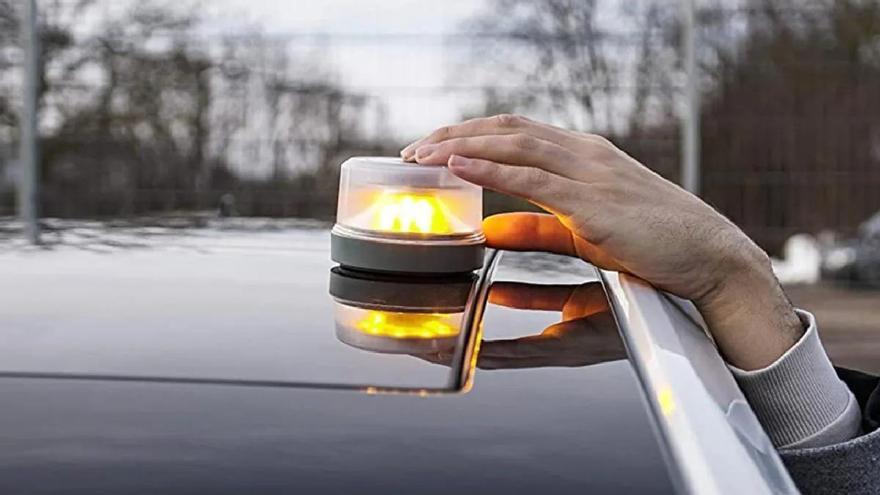
Confusion Mounts Over Spain’s New V-16 Emergency Beacon Requirements
Widespread confusion persists among Spanish drivers regarding the new V-16 emergency beacon mandate, as many remain unaware that their devices must feature mandatory telematics connectivity to be legally compliant.
Spain’s rollout of the new V-16 emergency beacon system is currently facing significant confusion. Intended to replace traditional warning triangles, these connected beacons are meant to improve road safety, but a lack of clear information has left many drivers unsure about whether their devices meet the new legal requirements.
The main issue is a technical one: many drivers are unaware that simply having a flashing light is no longer enough. To be compliant, the beacon must be able to transmit the vehicle's location directly to the DGT (Directorate-General for Traffic) via a telematics connection. Even the head of the DGT, Pere Navarro, has acknowledged that many vehicle owners are likely using non-compliant devices without realizing it.
The original goal of the system was to keep drivers safe by allowing them to signal an emergency without having to step out of their cars. While the DGT reports that the system is already processing 3,000 alerts a day, industry experts argue that a lack of public awareness campaigns has undermined the project. Manufacturers, who have invested heavily in this technology, are concerned that the public is losing confidence in the new rules.
The DGT estimates that between 18 and 20 million beacons are needed to cover Spain’s 32 million vehicles. Officials maintain that they need more time to evaluate the system’s effectiveness, but this cautious approach is doing little to ease public concern—especially as recent road accidents have once again highlighted the dangers of handling breakdowns. For now, millions of drivers remain uncertain about whether the equipment they carry in their cars is actually legal.