
Coalición Canaria Proposes Ten-Point Agenda for Tenerife Ahead of State of the Island Debate
The Coalición Canaria group has introduced ten proposals for the Tenerife Island Council’s state of the island debate, focusing on energy reform, transport subsidies, waste management, and social infrastructure.
The Coalición Canaria group in the Tenerife Island Council has introduced ten proposals ahead of this Friday’s debate on the state of the island. The nationalist party aims to shape the local political agenda by pushing for changes in energy policy, infrastructure, and public services.
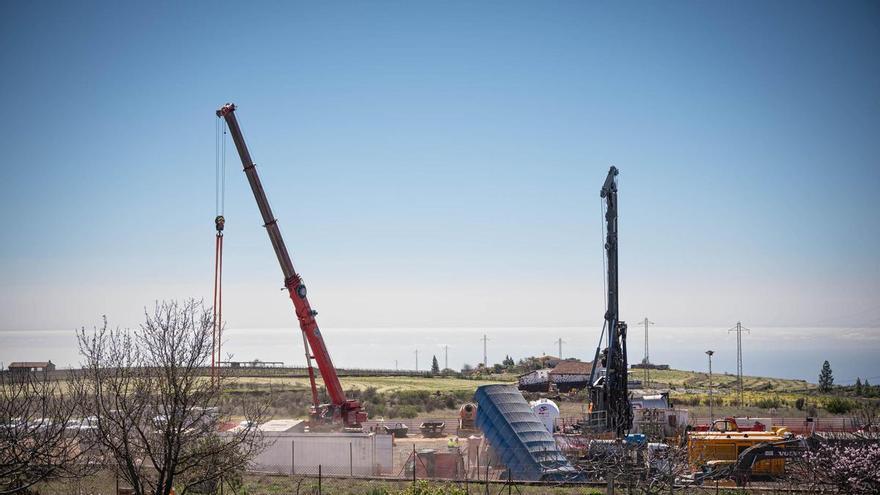
Regarding energy, spokesperson José Miguel Ruano highlighted geothermal power as a key step toward decarbonizing Tenerife. The party is calling on the Spanish government to create a clear legal framework for exploration, specifically for drilling projects in the Vilaflor-Trevejos area. They argue that these regulations are essential to attract private investment and reduce the island’s reliance on external energy sources.
The party also criticized the national "Youth Summer" program, arguing that it unfairly favors mainland residents. Because the program prioritizes train and bus travel, it ignores the reality of island life, where air and sea connections are vital. They are demanding that the subsidies be adjusted to ensure young people in the Canary Islands have equal access to the program.
On the topic of transport, the party is pushing to keep public transit free through 2025 and 2026. They have urged the government to release the remaining 35% of 2025 funding and secure the budget for the following two years, noting that delays in state payments are putting a financial strain on the island council.
Waste management is another priority. The party proposes using the Economic and Fiscal Regime (REF) to cover the extra costs of island-based waste processing, aiming to build local plants that eliminate the need to export recyclable materials. Additionally, they are calling for the creation of an "Island Digital Twin" to improve territorial planning and are seeking to update staff labor agreements that have been stagnant since 2014.
Finally, the proposals address social and economic issues. The party is requesting more funding for local crafts to encourage younger generations to enter the trade and is proposing a new platform to prevent youth violence. They are also calling for better chronic disease screening, and they want the government to relax spending rules so that institutions with a budget surplus can reinvest their funds locally rather than being penalized by national fiscal policies.