
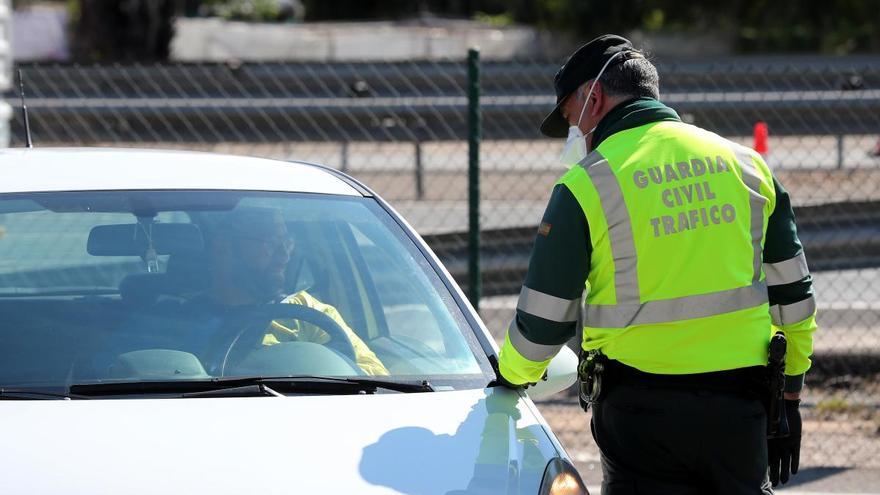
Civil Guard Warns Drivers Against Replacing Hazard Lights with V16 Beacons
The Spanish Civil Guard and DGT have warned drivers that the mandatory V16 emergency beacon is intended to complement, not replace, the use of hazard lights, with fines of up to 200 euros for failing to follow proper safety protocols.
Road safety technology is evolving, but it is creating some confusion for drivers. The Civil Guard has warned that many motorists are mistakenly replacing traditional emergency protocols with the new V16 beacon, which became mandatory on January 1st.
Authorities emphasize that the V16 beacon is meant to complement, not replace, existing safety measures. If your vehicle breaks down or is involved in an accident, you must still keep your hazard lights on. This is crucial for helping other drivers spot your vehicle quickly, especially in heavy traffic or poor visibility. Failing to use your hazard lights during an emergency or sudden braking can result in a fine of up to 200 euros.
The Directorate-General for Traffic (DGT) also reminds drivers how to use the V16 device correctly. For maximum safety, it should be placed on the highest part of your vehicle—ideally the roof—and kept in an easily accessible spot, like the glove box, so you can reach it quickly. Using an unapproved device or failing to carry one at all can lead to an 80-euro fine.
Additionally, authorities are cracking down on the misuse of hazard lights. Using them to justify double parking, illegal parking, or stopping in traffic when your vehicle has not actually broken down is an offense that carries fines between 80 and 200 euros.
By combining the new V16 technology with standard emergency light protocols, drivers can better protect themselves and reduce the risk of rear-end collisions on the road.