
Civil Guard Dismantles Wildlife Trafficking Network Threatening Canary Islands Ecosystem
Spanish authorities have dismantled an illegal wildlife trafficking network in the Canary Islands that threatened the archipelago's unique biodiversity by smuggling protected and invasive species.
The Canary Islands' delicate ecosystem is under threat following the dismantling of a wildlife trafficking network. A recent investigation by the Civil Guard’s Seprona unit, known as "Operation Serrulatus," has exposed a black market for animals operating across the archipelago, with significant activity in Tenerife and Gran Canaria.
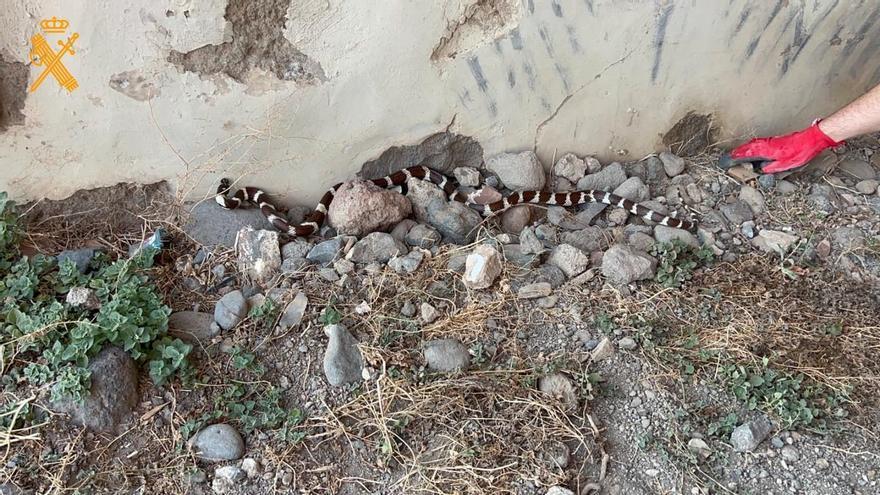
The investigation began last August after a California kingsnake was discovered in La Laguna. This was not an isolated incident; it confirmed that non-native species are entering the wild, posing a serious risk to the islands' unique biodiversity. During the operation, authorities seized 32 animals from one individual, including species protected by international law, invasive animals, and dangerous creatures like the Brazilian yellow scorpion.
Evidence suggests that an organized network is smuggling wildlife between the islands. The Civil Guard has alerted the regional government, urging them to strengthen surveillance and tighten controls on animal movement.
This illegal trade creates both ecological and public health risks. Current laws strictly regulate the possession of protected or invasive species, and owning them without proper authorization carries heavy penalties. Authorities warn that buying animals through informal channels ignores the devastating impact these foreign species have on island environments, where native wildlife has no natural defenses against these new predators and competitors.