
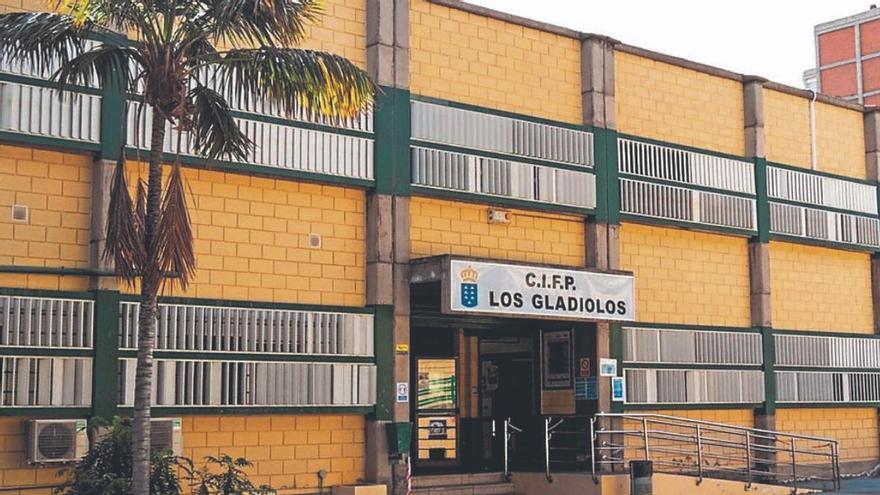
CIFP Los Gladiolos Emerges as Canary Islands’ Hub for Vocational Excellence
The Los Gladiolos Integrated Vocational Training Center in the Canary Islands is a national leader in healthcare and technical education, prioritizing dual training and industry-aligned curricula to enhance student employability.
The Los Gladiolos Integrated Vocational Training Center (CIFP) has become a cornerstone of education in the Canary Islands, serving as a leading institution for technical training and job placement. Led by director Aniria Tirma Díaz Cruz, the center currently supports about 2,200 students with a dedicated staff of 165 professionals.
The center is at the forefront of modernizing vocational training in Spain. By following the European EQAVET framework for management excellence, it ensures that its courses align with the evolving needs of the job market. This focus on employability is reflected in its specialized programs, including emergency management, occupational risk prevention, and communicative mediation.
The center’s curriculum is organized into three main areas: Healthcare, Sociocultural and Community Services, and Security and Environment. In the healthcare sector, Los Gladiolos offers unique programs within the Canary Islands’ public system, such as prosthetic audiology, radiotherapy, and pathological anatomy. These courses are supported by a strong commitment to dual vocational training, which combines classroom study with hands-on work experience to help students transition more easily into their careers.
Sustainability and social responsibility are also central to the center’s mission. It provides essential training in environmental control—vital for the islands’ delicate ecosystem—and offers a wide range of sociocultural services, from dependency care to gender equality initiatives.
Recognized as a national center of excellence in healthcare, CIFP Los Gladiolos plays a key role in strengthening the community. By encouraging international exchange and innovative teaching, the institution does more than just train technicians; it fosters the critical thinking and adaptability needed to meet the economic and social challenges facing the islands today.