
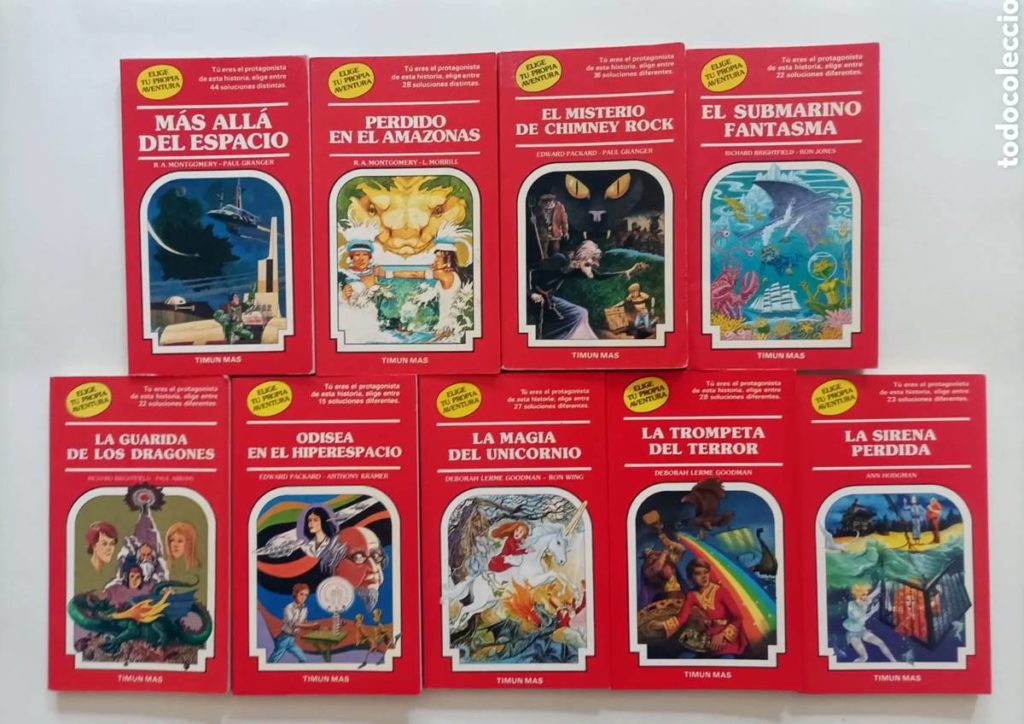
Choose Your Own Adventure Books See Resurgence in Digital Age
The iconic Choose Your Own Adventure book series continues to thrive decades after its debut, proving the enduring commercial and cultural appeal of interactive, choice-based storytelling in the digital age.
In an age of constant digital connection, interactive literature remains a surprising success story. More than 40 years after their debut, the Choose Your Own Adventure books have not only avoided becoming obsolete but remain commercially relevant.
The series began in the United States in 1979 under Bantam Books, breaking away from traditional, linear storytelling. Creators Edward Packard and R. A. Montgomery pioneered a branched narrative that turned the reader into the protagonist. By forcing readers to make constant decisions that led to various outcomes—from triumph to total failure—the series became a global phenomenon, selling 250 million copies in 38 languages.
When the series arrived in Spain in 1983 via the publisher Timun Mas, it left a lasting mark on generations of readers. The iconic red covers became a symbol of a unique form of entertainment, blending science fiction, mystery, and fantasy with an imaginative, hands-on experience. Many readers still remember using their fingers as bookmarks to track their progress through the different plot paths.
This format’s appeal goes beyond mere nostalgia. While the original series included 184 titles, interest in printed interactivity remains strong. After a brief hiatus, the publisher Molino has resumed printing these books, with new titles like Terror on the Titanic and The Legend of the Dragons scheduled for release between 2024 and 2026. Meanwhile, the brand Chooseco continues to operate internationally, and publishers like Artemisa keep the series available in markets such as Argentina.
This resurgence highlights how the publishing industry is finding new ways to engage readers, even alongside modern alternatives like Murdoku. By adapting to the times while keeping their core identity as literary role-playing games, these books prove that choice-based storytelling remains a valuable part of today’s entertainment landscape.