
Cho Vito Demolition Anniversary Rekindles Debate Over Lost Community, Unfulfilled Promises
Thirteen years after the final demolition, the unresolved destruction of Candelaria's Cho Vito fishing village continues to spark debate over lost heritage and unfulfilled promises for the neglected coastal land.
Candelaria is reflecting on a deeply divisive event from its past: the demolition of the coastal community of Cho Vito. This fishing village was first partially destroyed in 2008, following a lengthy legal and administrative battle, and then completely cleared in 2012. On November 16th, at 9:56 AM, an excavator began tearing down the home of Tomás González, a community leader. Thirteen years later, this anniversary reignites a debate that has never been truly resolved: what was lost that day, and what has been gained since? The official narrative presented this as a necessary action against properties built on public coastal land, a process that began with a notice in the Official Gazette of the Canary Islands on March 4, 1998.
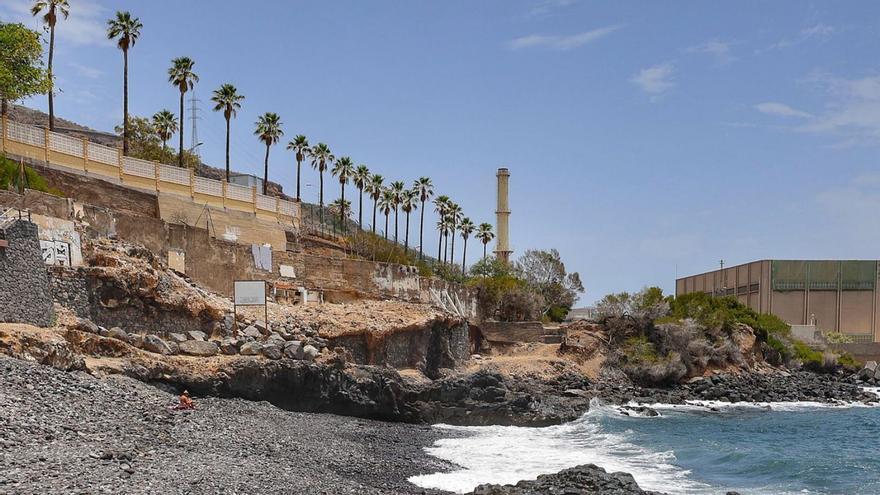
For decades, the settlement, nestled by the sea with the Caletillas power plant to its east, was home to many small houses. Fishing families had built many of these homes before the area saw significant development. On October 7, 2008, after court rulings deemed the houses to be illegally occupying public coastal land, machinery arrived at dawn amidst protests from residents. The images of police forcing people out and the walls of 23 homes being smashed by excavators are deeply ingrained in the island's memory. Four years later, the operation was completed, with the eviction of the remaining nine houses being less disruptive but equally distressing.
Today, the coastline where the settlement once stood is an undeveloped area with no clear purpose. Many see it as a symbol of broken promises. Plans for public access, coastal restoration, and environmental improvements were discussed, but none have been fully implemented. Tomás González is calling for acknowledgement and amends.
"What's most upsetting isn't just that they destroyed our homes, but that after so many years, the place is still neglected," says González, who lost his family home in 2008. "They promised us the coast would be for everyone, and now we just have an empty, degraded space that doesn't represent anything."
The memory of Cho Vito resurfaces annually. Residents who were displaced have observed other coastal recovery projects in the Canary Islands moving forward with more momentum and funding. González feels the comparison is unavoidable: "It feels like our neighborhood was wiped off the map and forgotten by the public. We want recognition for what Cho Vito meant."
Seventeen years ago, the Candelaria City Council and the Coastal Authority stated that the demolition was a legal requirement to clear public land. However, the absence of a concrete plan for the site afterwards left both an urban and emotional void. For many, Cho Vito represented a way of life that vanished with the demolitions. Some are advocating for what they call "the spirit of Cho Vito," proposing a "space for remembrance and community" on the site – a simple acknowledgement and a place to restore dignity to a history that is part of Candelaria.
Seventeen years after an excavator first struck Rafael's house at 10:28 AM on October 7, 2008, and thirteen years after another demolished Tomás's home, Cho Vito remains a painful reminder. It also represents an ongoing discussion about coastal management, preserving community history, and learning from decisions that deeply affected those who lived in those small seaside homes. Until this conversation is concluded, the impact of the demolitions will continue to be felt along Candelaria's coast and beyond.