
Chinyero Eruption Anniversary Recalls Birth of Spanish Disaster Journalism
The 117th anniversary of the 1909 Chinyero volcanic eruption highlights its historical significance as Spain’s first geological crisis to be documented by the media in real time.
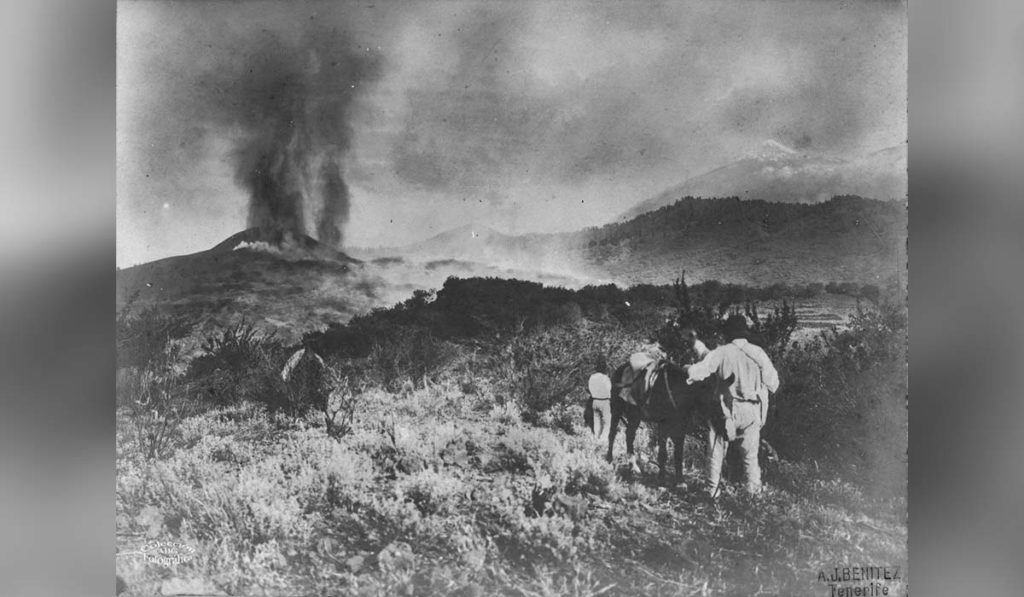
The 117th anniversary of the Chinyero eruption—highlighted in researcher Marcos Brito’s book, Erupción del Chinyero a través de la prensa—offers a look back at a geological milestone that also marked the birth of disaster journalism in Spain. As the book documents, the 1909 eruption was the first volcanic crisis in the country to be covered by the media in real time.
The eruption began on the afternoon of November 18, 1909, and lasted for ten days, ending on November 27. The alarm was first raised by José Hernández Lorenzo, a resident of El Tanque who noticed the ground becoming unstable. This followed months of seismic activity that had been building since July 1908, with reports from the Icod Mayor’s Office confirming that tremors had intensified significantly in the days leading up to the outbreak.
At the time, the region was highly vulnerable. With few roads and no reliable telegraph network, communication relied on coastal shipping and carrier pigeons. Approximately 6,200 people living in Guía de Isora, Santiago del Teide, and El Tanque faced the terrifying prospect of evacuating their homes as lava flows approached.
In the early hours of the crisis, official information was disorganized. While the mayor of Icod urgently requested aid, national newspapers struggled to pinpoint the eruption’s location, wrongly speculating that it was near the Bencheque or Chajorra mountains. It took several days for the press to confirm exactly where the volcano was located.
Beyond the human impact, the Chinyero eruption sparked an early form of "disaster tourism," with shipping companies offering excursions to view the volcano. It also prompted the first official scientific response, with geologist Lucas Fernández Navarro arriving in December to conduct the first cartographic survey of the event. Documented through period telegrams and news reports, the story of Chinyero reveals how a vulnerable community faced the raw power of nature, relying on little more than direct observation and a communication network that was only just beginning to grasp the importance of immediate news.