
Chicharrero: From Insult to Santa Cruz Identity
The term "chicharrero," originally a derogatory nickname for Santa Cruz residents due to their fishing heritage, has evolved over centuries into a proud symbol of identity for the city.
The word "chicharrero" perfectly captures the pride of Santa Cruz. It started as an insult but, over centuries, became a symbol of identity for the people of Santa Cruz de Tenerife.
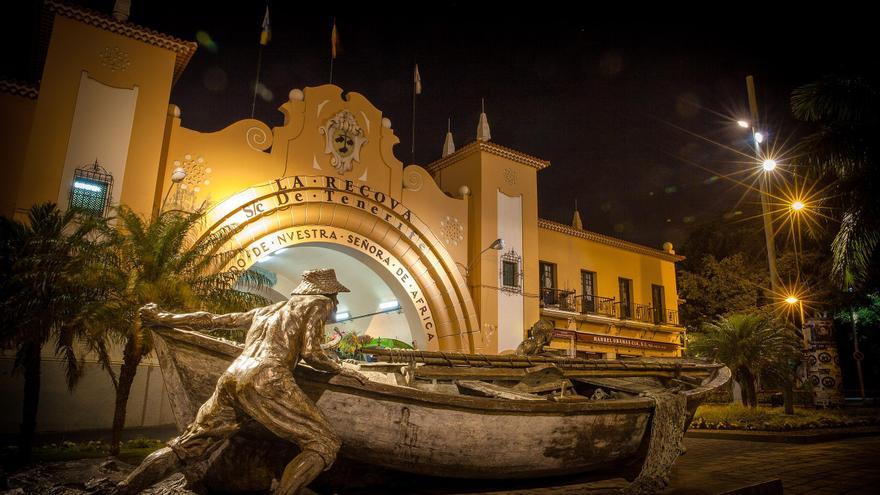
Santa Cruz wasn't always the capital of Tenerife. For many years, San Cristóbal de La Laguna was the main political and religious hub. Santa Cruz, meanwhile, was just a small fishing port where ships would dock and trade goods.
Back then, local fishermen often caught a common and popular fish called the "chicharro." This fish, and the trade surrounding it, led to the nickname "chicharreros." What began as a mocking or derogatory term, referring to the area's fishing focus, eventually became a strong symbol of identity for the city's residents.
Most historians believe the term "chicharrero" originated in the 16th century. At that time, Santa Cruz was a humble fishing village, very different from the thriving modern city it is today. Its residents primarily ate "chicharro," a small, inexpensive fish that became central to their way of life.
With about 40,000 people living on Tenerife, over 5,000 were in the capital, San Cristóbal de La Laguna. Since La Laguna held the island's political and religious power, its residents started using "chicharreros" as a joke to describe the people from the port.
This was their way of pointing out the economic and social gap between the established capital and the humble coastal town that served as Tenerife's main entry point for goods.
Over the centuries, this initial mockery transformed into a symbol of pride and identity. Today, while not all people from Tenerife (tinerfeños) are "chicharreros," all residents of Santa Cruz (santacruceros) proudly are. They carry a name that represents their history, character, and deep connection to their city.