
Casas de la Cumbre: Tenerife’s Highest Village Struggles to Balance Tourism and Survival
Casas de la Cumbre, the highest village in Tenerife's Anaga Massif, faces a critical decline as residents struggle with aging infrastructure, environmental concerns, and the pressures of increasing tourism.
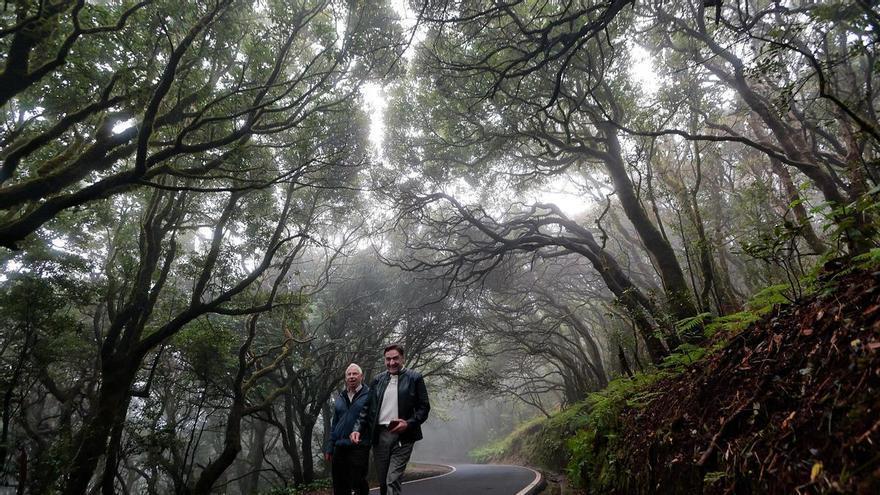
Casas de la Cumbre, the highest village in Santa Cruz de Tenerife, perfectly illustrates the struggle between protecting the environment and supporting the people who live there. Located 790 meters up in the ecologically significant Anaga Massif, the village is currently facing a crisis defined by an aging population and a lack of basic infrastructure.
While the surrounding Anaga Rural Park has become a popular destination for tourists and outdoor enthusiasts, the local community is shrinking. The population has dropped from around 100 people to between 40 and 60, and those who remain say they are being neglected. A major concern is the lack of a proper sewage system, which residents fear could contaminate the local water supply.
Daily life has also become difficult due to heavy traffic on the TF-12 road. Locals report that the influx of rental cars and a lack of traffic management prioritize tourism over the needs of the residents, making it increasingly hard for them to go about their daily routines.
Despite these challenges, the community is working hard to stay connected. The recent reopening of the El Til social hall—which had fallen into disrepair—is a significant step toward bringing the dispersed population back together. The space is already being used for local meetings and institutional events.
The village’s history is kept alive by long-time residents like 94-year-old Dominga Ravelo and former community leader Fulgencio Ramos. Their lives, once centered on mountain farming and subsistence, now reflect the ongoing fight for modern necessities like reliable drinking water and better road access. Ultimately, the future of Casas de la Cumbre depends on whether authorities can find a way to protect the natural landscape while ensuring that the people who call it home have a decent quality of life.