
Casa de Carta Reborn as Modern Tenerife Museum
Tenerife's historic 18th-century Casa de Carta in Valle de Guerra has reopened as a modernized museum, showcasing Canarian heritage through a new textile exhibition, traditional food production, and agricultural history.
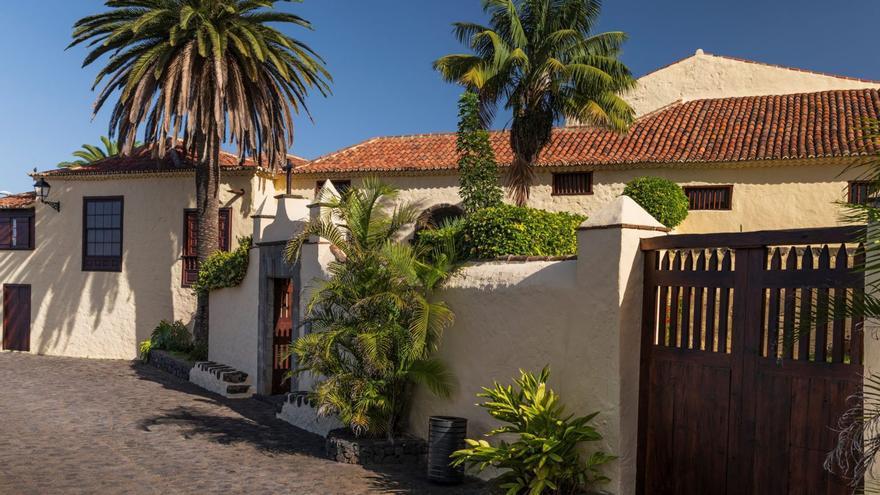
In the heart of Valle de Guerra, a region known for its rich agricultural heritage, the iconic Casa de Carta is reopening its doors to the public. This is more than just a reopening; it's a rebirth. After careful renovations, this grand 18th-century building, which belonged to Captain Matías Rodríguez Carta since 1726, now boasts a fresh look. It offers a museum experience that blends tradition with modern perspectives. Its historic, crenellated facade, a symbol for generations, now welcomes a new era. With easier access from the main Tejina-Tacoronte road (TF-16), visitors are invited to rediscover a place essential to Tenerife's identity.
At the heart of this new chapter is an innovative exhibition called «Tramas de memoria» (Threads of Memory). This exhibition goes beyond simply displaying items in cases; it tells a fresh story by weaving together textile and photographic heritage. Far from being just nostalgic, the exhibition reflects on ARTISANSHIP, emphasizing its artistic value and social importance.
The exhibition begins with a historic Monteverde family costume. This piece acts as a central theme, helping to explore a world of traditional methods, techniques, and cultural meanings. Through characteristic needlework techniques like rosette, drawn thread work, embroidery, and bobbin lace, the exhibition celebrates the skills passed down through generations. It honors the careful, patient hands that wove the visual stories of the past. This is a unique opportunity to reflect on how ARTISANSHIP has evolved and how the heritage value of these creations can change throughout their lifespan.
Alongside this new exhibition, Casa de Carta has also preserved and improved its most famous areas. The room dedicated to gofio, a traditional food of the Canary Islands, is still a must-see. Inside its restored mills, visitors can learn about the entire process of making this important food, from planting the grain to getting the toasted flour that has fed the Canary Islands for centuries. This updated space not only displays old machinery and tools but also brings to life the ingenuity and resilience of the Canarian people.
Another treasure on the estate is its huge 18th-century wine press, made from tea wood, which was used until well into the 20th century. Seeing it allows you to connect directly with the island's winemaking past, imagining busy harvests and the hard work that turned grapes into wine. Its presence in the museum highlights traditional engineering and shows how important grapevines were to Tenerife's economy, landscape, and society.
The Casa de Carta experience isn't limited to its volcanic stone and tea wood walls. The estate, covering over 12,000 square meters, is like a living outdoor museum. Its botanical garden and orchards take you on a journey through the economic history of the Canary Islands. Here, you'll find crops that were important in the past, like sugarcane, cotton, and cochineal, growing alongside today's key plantations, such as banana and avocado trees. Walking its paths, visitors can also discover a water weigher or a traditional 'Canarian-type' greenhouse – features that help explain the island's rural culture.
The renovation carefully balanced modernization with preserving the house's original character. Facilities are now more accessible and open, but the essence of this grand home, which is itself a display of traditional architecture, remains. Its design around the main courtyard, the tea wood details, and the handcrafted stonework all tell a story of a past era and lifestyle. As Rosa Dávila, the president of the Cabildo, explained, this reopening shows a commitment to "modernize our museums, connect them more strongly with people, and make them contemporary, accessible, and lively spaces."
Today, Casa de Carta is more than just a place to observe the past; it's a space to engage with it. As José Carlos Acha, the Councillor for Culture, Museums, and Sports, pointed out, it's a museum that invites visitors to "rediscover the value of our crafts and their history" from a 21st-century viewpoint.
Open to the public Monday to Sunday from 10:00 AM to 5:00 PM, Casa de Carta offers much more than a simple visit: it's a place to connect with the rich tapestry of our shared memories.