
Canine Units Prove Indispensable to Public Safety in San Cristóbal de La Laguna
Canine units in San Cristóbal de La Laguna are proving essential to public safety, with specialized police and rescue dogs significantly improving response times in drug enforcement and disaster recovery efforts.
The effectiveness of canine units in San Cristóbal de La Laguna proves that a dog’s sense of smell remains an irreplaceable tool for security and emergency teams. Recent reports from Tenerife highlight how these trained dogs have significantly improved response times, whether they are helping to combat drug trafficking or locating people during disasters.
The municipality’s canine operations are split into two specialized areas. The Local Police K9 Unit focuses on detecting narcotics, relying on a deep bond between the officer and the dog. This relationship, which extends beyond working hours, is the foundation for training based on play and positive reinforcement. Since the unit was established in 2015, it has filed nearly 800 drug-related reports, making inspections much faster. However, unit leaders have noted a legal gap: they are calling for stronger protections, arguing that attacks on these dogs should be classified as assaults on an officer rather than simple animal abuse.
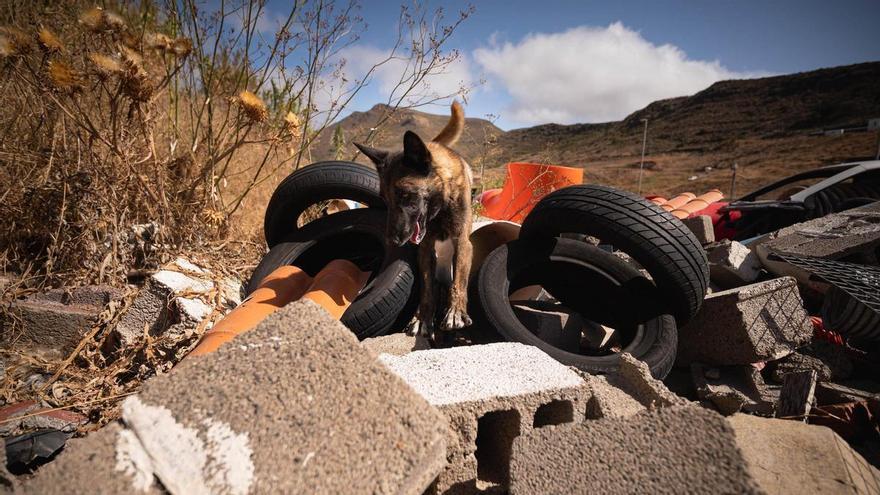
Meanwhile, the island’s Civil Protection rescue unit has two decades of experience. With a team of eight handlers and nearly twenty dogs, they use a strict training approach: each dog specializes in either finding live people or detecting human remains, but never both, to ensure maximum precision. Handlers must also be highly skilled, trained in vertical rescue, veterinary first aid, and navigating difficult terrain.
While these units have even taken part in international missions, they now face a generational challenge. A 2022 restructuring created an imbalance in the age of the personnel, requiring a constant cycle of training new dogs from a young age. While genetics account for 70% of a dog’s ability, they are further refined through training that simulates high-stress, real-world conditions. Ultimately, these canine units offer more than just a tactical advantage; they provide an essential public service where a dog’s sense of smell is often the deciding factor in resolving critical emergencies.