
Canary Islands Wine Industry Targets Recovery Amid Climate and Structural Challenges
Canarian winemaking is showing signs of recovery following improved weather conditions, though the industry must now adopt irrigation and diversified business models to overcome climate challenges and ensure long-term viability.
Canarian winemaking is at a turning point as production begins to recover after a long period of difficult weather. According to the newspaper El Día, the archipelago expects to double its harvest compared to recent years. This optimistic outlook is largely due to rainfall in the first half of the year, which has helped ease the long-term drought that previously hampered crop yields.
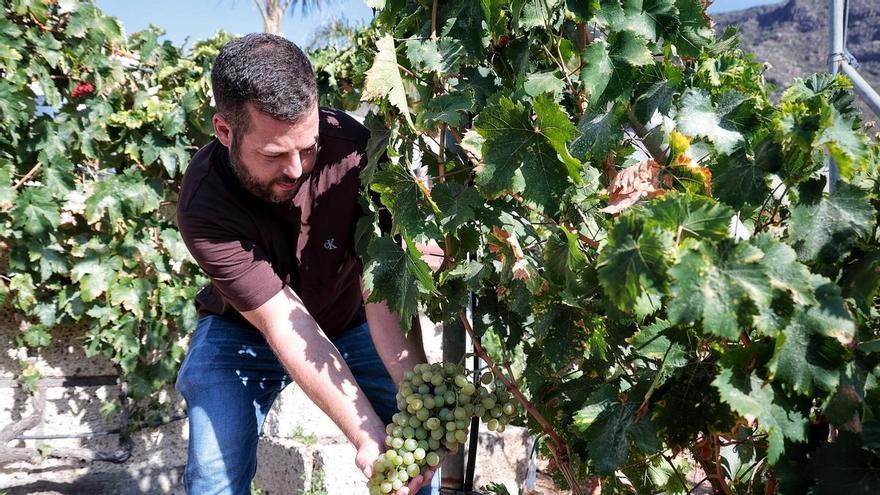
However, while production is up, the industry still faces major challenges that require a new business approach. During a visit to the El Rebusco winery in Candelaria, Narvay Quintero, the Canary Islands' Minister of Agriculture, emphasized that traditional dry-farming is no longer enough. Rising temperatures and shifting seasons mean that installing irrigation systems is now essential to keep vineyards viable.
On the health front, the regional government reports that the situation has stabilized following last year’s phylloxera outbreaks in Tenerife. After conducting over 12,000 inspections, officials have lifted some restrictions on moving plant material, as no new outbreaks have been found outside the original area.
Beyond climate and health issues, the industry is struggling with an aging workforce and small, fragmented farms. Profitability remains the biggest hurdle for those looking to stay in the business. The El Rebusco winery, run by Javier Luaces and Deborah Díaz, offers a glimpse of a more professional and diverse future. By combining wine production with wine tourism and unique experiments—such as aging wine underwater—they have successfully revitalized land that had previously struggled with failed crops.
The Candelaria estate produced its first significant harvest of 600 kilos of grapes this year, with owners aiming to reach 5,000 kilos in the coming seasons. If successful, this model could prove that it is possible to reverse the trend of abandoned farmland in the Valle de Güímar. Ultimately, the survival of Canarian vineyards depends on the ability of wineries to adapt to a tougher climate and build business models that can cover rising operating costs.