
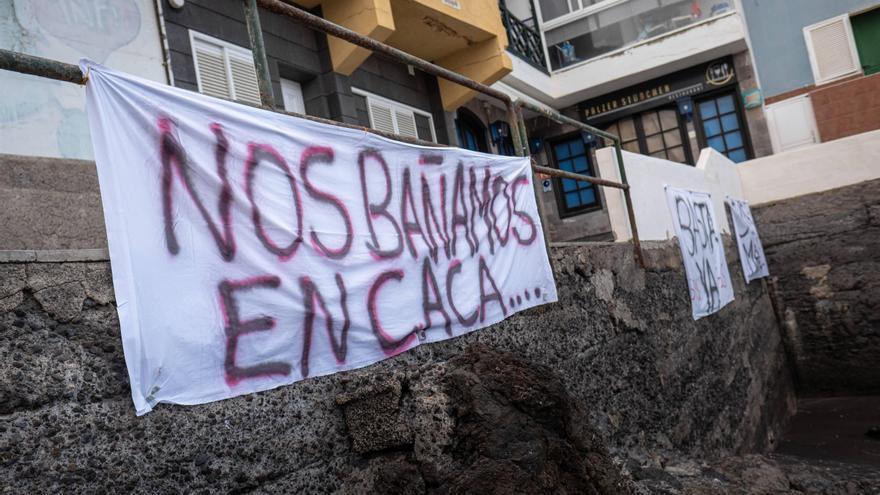
Canary Islands Update Exposes Widespread Illegal Sea Discharges
The Canary Islands government's updated list reveals over half of its 403 sea discharge points operate without necessary permits, confirming long-standing issues with inadequate sewage infrastructure impacting coastlines and beaches.
The Canary Islands government has updated its list of land-based pipes that discharge into the sea. This document hadn't been renewed for eight years, so it now gives a true picture of these outfalls across the islands. The findings are worrying: there are 403 registered discharge points, but 216 of them – more than half – don't have the necessary permits.
The updated list covers discharges from towns, industries, and rainwater. It confirms what locals and environmental groups have been saying for decades: the Canary Islands' coastlines are still suffering because the sewage system isn't good enough for the current number of residents and tourists.
This new list clearly shows where the problems are worst. Only 112 discharge points have proper authorization, and another 75 are in the process of getting it. The rest – over half – are operating illegally.
While the government says this update will help improve how things are managed and make them more transparent, the reality is that this issue has been going on for decades. There have been delays, unhandled paperwork, and sewage treatment plants that can't cope.
Many of these pipes are still releasing water that hasn't been treated enough, or not treated at all. The government itself admits that a lot of this comes from city sewage, proving that the public water infrastructure is still not good enough.
Some areas are particularly affected, like Puerto de la Cruz. Famous spots there, such as Playa Jardín beach, have had to close for months because of poor water quality. This has significantly hurt local businesses and residents. Other places, like Playa del Martiánez, have faced similar issues.
The Canary Islands government aims to have at least 85% of unauthorized discharges in the process of getting permits by 2027, and 60% of all discharges legally permitted by then.
They also plan to improve monitoring and public information. Anyone will be able to check the status of each discharge point using an official online tool provided by the Canary Islands government.