
Canary Islands Unveil 30-Year Strategy to Tackle Tenerife’s Chronic Traffic Congestion
The Canary Islands government has launched a 30-year mobility strategy featuring new bus lanes, infrastructure upgrades, and a reconsidered port project to combat chronic traffic congestion in southern Tenerife.
The Canary Islands government has unveiled an ambitious 30-year plan to overhaul transport in the south of Tenerife, the island’s fastest-growing economic and residential hub. The new Sustainable and Smart Mobility Strategy (Emsican) aims to tackle chronic road congestion, which officials now recognize as a deep-seated structural issue rather than a temporary nuisance.
The strategy focuses heavily on the TF-1 motorway, where key sections between San Isidro and Las Américas see over 50,000 vehicles daily. With residents in areas like Santiago del Teide, San Miguel de Abona, and Guía de Isora relying heavily on private cars—accounting for up to 62% of local trips—the government is proposing urgent solutions. These include new Bus-HOV lanes on the San Isidro-Los Cristianos and Santa Cruz-Güímar corridors to prioritize public transport and carpooling.
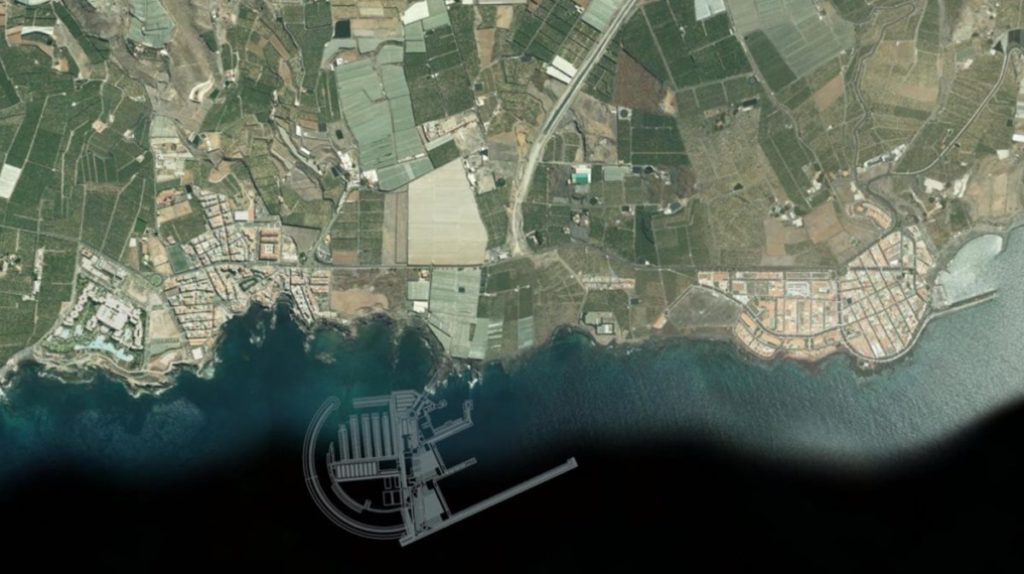
A controversial part of the plan is the revival of the proposed Fonsalía port in Guía de Isora. Despite being rejected by parliament in 2021, the project is being reconsidered as a way to improve connections to the western islands. However, the government acknowledges that this is a long-term goal; it would take 10 to 15 years to complete and requires a fresh environmental assessment, as the site sits within the protected Teno-Rasca area.
The plan also addresses the current congestion at the port of Los Cristianos, the busiest hub for inter-island travel. To fix the bottleneck caused by limited road access, the government plans to reorganize traffic, introduce shuttle buses, and implement smart information systems.
Looking at major infrastructure, the strategy keeps the 79.7-kilometer railway project between the capital and the south on the table, with a potential extension to the proposed port in Isora. It also considers the feasibility of a second runway for Tenerife South Airport. Meanwhile, the port of Granadilla will remain focused exclusively on industrial and logistical operations, with no plans to open it to passenger traffic.
As the Canary Islands look to balance tourism growth with sustainability, this plan sparks a vital conversation about the region's future. Ultimately, the government views transport efficiency as the key to improving both the quality of life for residents and the island's economic competitiveness.