
Canary Islands’ Traditional Potato Farming Faces Existential Threat from Climate and Pests
Traditional potato farming in the Canary Islands faces an existential threat from climate instability and aggressive plant diseases, prompting local authorities to provide technical support to preserve the region's unique agricultural biodiversity.
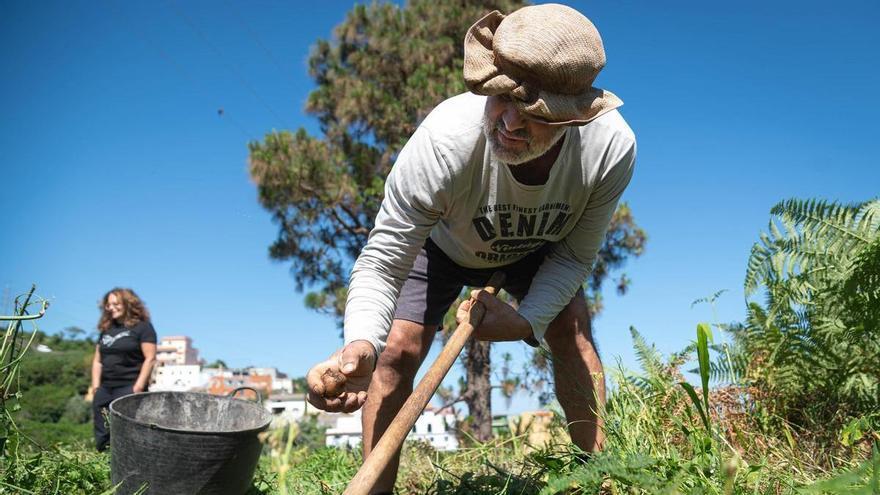
Traditional potato farming in the Canary Islands is at a crossroads. A combination of climate change, new pests, and economic shifts is threatening an agricultural heritage that is central to the region’s rural identity. Dr. Domingo Ríos, an agricultural engineer at the University of La Laguna, warns that these changing conditions are putting the future of these unique crops at serious risk.
Farmers are currently caught in a climate paradox. In 2024, heatwaves and water shortages caused yields in mid-altitude regions to drop by more than 50% in some areas, according to the Tenerife Island Council. Conversely, sudden, heavy rainfall has caused waterlogging and root rot. This instability has made modern irrigation systems, like drip irrigation, a necessity even in areas that traditionally relied on dry farming.
On top of these weather challenges, farmers are battling severe plant diseases. While the Guatemalan potato moth has been a long-standing threat, the current focus is on late blight. This fungus is highly aggressive and can destroy an entire crop in just two weeks. Because newer, resistant strains are emerging, traditional treatments are becoming less effective, contributing to an estimated loss of half this year’s total harvest.
As a result, local potato varieties are being replaced by hardier imports from Peru, Colombia, and Venezuela. While these foreign varieties—such as the "peruanita"—are better at surviving pests and extreme weather, their rise is leading to "genetic erosion." Losing the 29 varieties protected by the region’s Designation of Origin would be a significant blow to biodiversity, as these plants must be actively farmed to survive, not just stored in seed banks.
To address these challenges, the Tenerife Island Council, the Rural Action Group, and the University of La Laguna have launched a series of technical guides. These resources map out local farming systems across areas like the La Orotava Valley, Vilaflor, and Acentejo, providing farmers with the data they need to manage their soil and crops. The goal is to help small-scale farmers adopt the technology and modern techniques necessary to keep their land productive and prevent the abandonment of these historic agricultural sites.