
Canary Islands Traditional Farming Faces Uncertain Future Amid Generational Gap
Traditional farming in the Canary Islands faces an uncertain future as low profitability and an aging workforce threaten the survival of the region's agricultural heritage.
Traditional farming in the Canary Islands is facing an uncertain future as the lack of new, younger farmers threatens the survival of the industry. The recent 20th Diego Pérez Traditional Harvesting Gathering in Icod El Alto, Los Realejos, highlighted this struggle, showing that keeping these traditions alive requires both government support and the passing down of knowledge from one generation to the next.
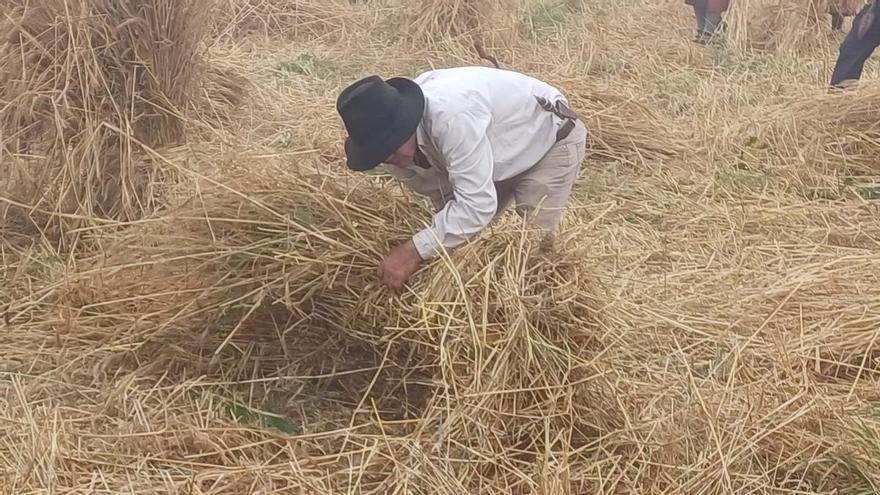
The event, supported by local and island authorities, has become more than just a cultural display; it is a vital act of remembrance. This year’s gathering included a moving tribute, with the children of two late collaborators, Andrés Hernández and Fernando Torres, stepping in to take up their parents' tools. Despite challenging weather, they successfully carried out the harvest, demonstrating the skill required for these traditional methods.
Technically, the farming model in Icod El Alto remains highly valuable. Juan Antonio Jorge Peraza of the Tenerife Rural Foundation noted the successful recovery of "barbilla" wheat, which offers a great balance of quality and yield. Additionally, Councilor for Rural Development José Alexis Hernández pointed to the local crop rotation system—mixing cereals, "papa bonita" potatoes, and lupin beans—as a smart, natural way to prevent pests like the potato tuber moth.
Despite these successes, the sector is struggling with low profitability, which makes it difficult to attract young people. Experts warn that because basic crops like potatoes are not always financially viable, it is hard for the next generation to make a living from farming.
Farmer and folklorist Mateo Felipe argues that small-scale farming is more than just a business; it is a form of cultural resistance needed to keep the countryside from being abandoned. The event concluded with demonstrations of traditional mule-loading and a shared meal of local products, underscoring the deep connection between the island’s agriculture and its culinary identity.