
Canary Islands to Strengthen Teacher Authority Amid Rising Classroom Conflict
The Canary Islands Ministry of Education is implementing new legal protections and administrative reforms to address rising classroom conflict and declining teacher authority across the region's schools.
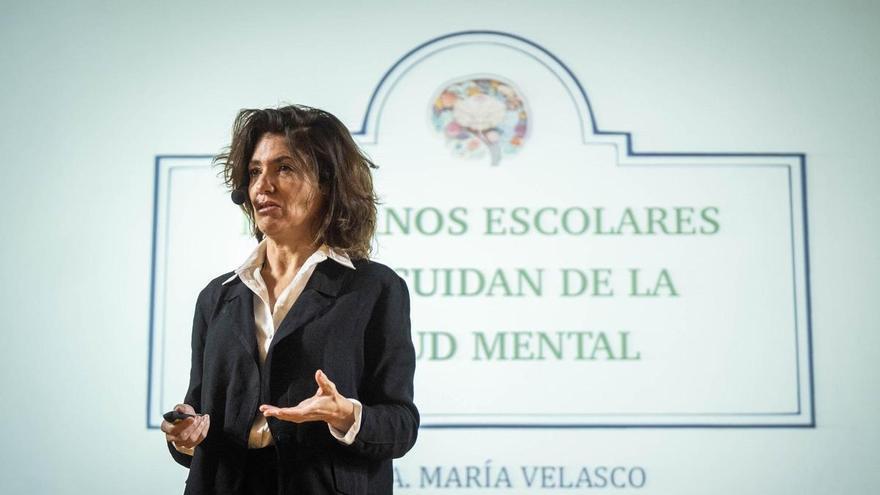
The challenge of maintaining a positive environment in Canary Islands schools has returned to the spotlight following the Second Meeting of Public School Principals, held recently in Santa Cruz de Tenerife and Las Palmas de Gran Canaria. Organized by the Directorate General for Personnel and Teacher Training, the event highlighted that the regional education system is currently struggling with a decline in teacher authority and rising classroom conflict.
Child and adolescent psychiatrist María Velasco, a keynote speaker at the forum, described the current rise in school violence—ranging from bullying to self-harm and depression—as a symptom of a difficult cultural shift. She argued that as traditional authority structures have faded, they haven't been replaced by new guidelines that support teachers, leaving educators feeling unsupported. Velasco noted that this, combined with the impact of technology and a lack of boundaries at home, has led to increased impulsivity among students. She stressed that schools now require structured, ongoing training in emotional well-being and mental health.
In response, the Ministry of Education, led by Poli Suárez, is taking action. The department is drafting a Law for the Recognition of Teacher Authority to provide teachers with stronger legal protection. To address professional burnout, the Ministry is also working to reduce administrative red tape. They have announced the "Doramas" platform, a new system designed to simplify management tasks, which will launch in 30 pilot schools next year with the goal of cutting paperwork by more than 50%.
The meeting also focused on using neuroscience to prevent mental health risks and saw the official launch of a new Teacher Well-being Unit. By encouraging management teams to share their experiences, the Ministry hopes to make mental health support a standard part of daily school life rather than an emergency measure. Officials emphasized that listening to school leaders is essential to improving the classroom environment, noting that teacher well-being is fundamental to a high-quality education system.