
Canary Islands Tenders TF-5 Third Lane, New Tenerife North Airport Entrance
The Canary Islands Government has put out to tender a €66.4 million project to add a third lane to the TF-5 highway between Tenerife North Airport and Guamasa, heading towards Santa Cruz, which will also create a new direct entrance to the airport.
A new third lane is being built on the Northern Highway (TF-5) between Tenerife North Airport and Guamasa, heading towards Santa Cruz. This 66.4 million euro project, put out to tender by the Canary Islands Government, will do more than just ease traffic on the island's busiest road. It will also give Tenerife North Airport, also known as Los Rodeos, a second, direct entrance, unlike the current indirect one.
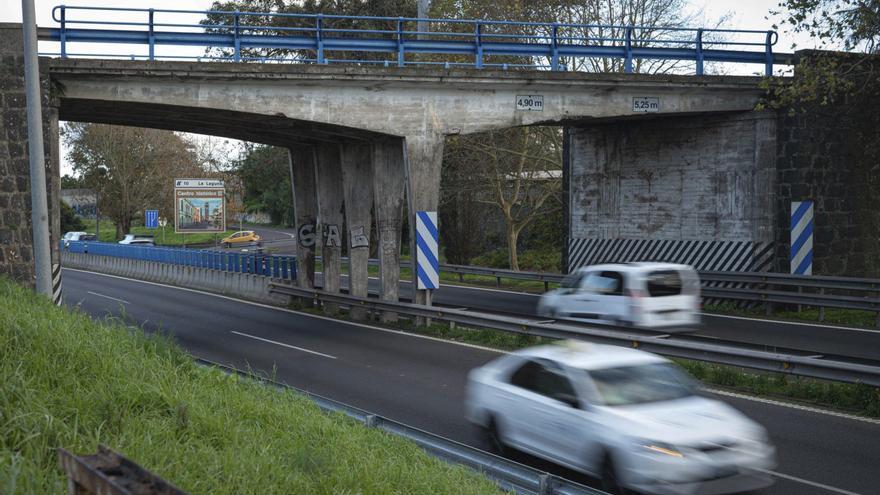
This direct airport entrance will be vital for cutting down the heavy traffic on a 3.6-kilometer section of the TF-5, close to La Laguna and Tacoronte. The new access will feature a roundabout, built where the bridge to the old Los Rodeos terminal currently stands, on the main northern road near El Púlpito.
Once complete, Tenerife North Airport will have two ways in: the new direct route at El Púlpito and the current indirect one via the TF-5 detour and San Lázaro bridge. The existing entrance is a known traffic hotspot, especially given the airport's growing passenger numbers. The San Lázaro area is, in fact, the busiest spot on all island roads, seeing an average of 109,472 vehicles daily. In 2024, Tenerife North served 6.7 million passengers, a number expected to rise even further by the end of 2025.
The regional government announced this significant step to tackle northern highway congestion last Christmas Day. Traffic jams are a constant issue, particularly on weekdays, during morning commutes towards the capital and between 1 PM and 3 PM heading north. The Department of Public Works has now opened the bidding process for the third lane construction on the TF-5, specifically between La Laguna airport and Guamasa. The chosen companies will have 35 months to build this new southbound lane, which will lead towards the capital.
Luis Yeray Gutiérrez, the mayor of La Laguna – the municipality set to benefit most from this project – hopes this complex and expensive work "proceeds according to schedule and is completed as quickly as possible." The Public Works department aims for construction to start in 2026, once the contract has been awarded.
However, the mayor clarified, "While this is a good step, it's by no means the final solution for the TF-5's traffic problems as it goes through La Laguna." He emphasized the need for a full mobility plan for the metropolitan area. This plan, he said, should include a TF-5 bypass from Guamasa to Lora y Tamayo, burying the highway as it passes through La Laguna's town center (which would allow the tram to reach Los Rodeos), and the Gorgolana tunnel to complete the Ring Road by linking the northeast region.
Beyond the direct airport access, the project also involves redesigning the Guamasa and San Lázaro interchanges. A project report highlights that these changes will also improve Tenerife North Airport's internal road system. By diverting 25% of airport traffic that currently comes from or goes to the north of the island, the new access will significantly boost the capacity of the San Lázaro interchange – a major contributor to congestion on this part of the TF-5.
The project also takes into account two future plans to further improve northern highway mobility: upgrading the TF-152 island road, which passes through La Laguna, Tacoronte, and El Sauzal, and extending tram line 1 to the airport.
This third TF-5 lane is part of a cooperation agreement between the Department of Public Works and the Cabildo de Tenerife. Work on the project began on January 19, 2018, with the signing of the design contract with Trazas Ingeniería. The project was then made public on February 18, 2019. More recently, on May 22, 2024, the Autonomous Environmental Assessment Commission concluded that the project would not have significant negative environmental effects, meaning it doesn't require a standard environmental impact assessment.
Finally, on September 25, 2025, the General Directorate of Road Infrastructure's Technical Area requested final approval for the project and the start of the contracting process for the works, which have now been put out to public tender.