
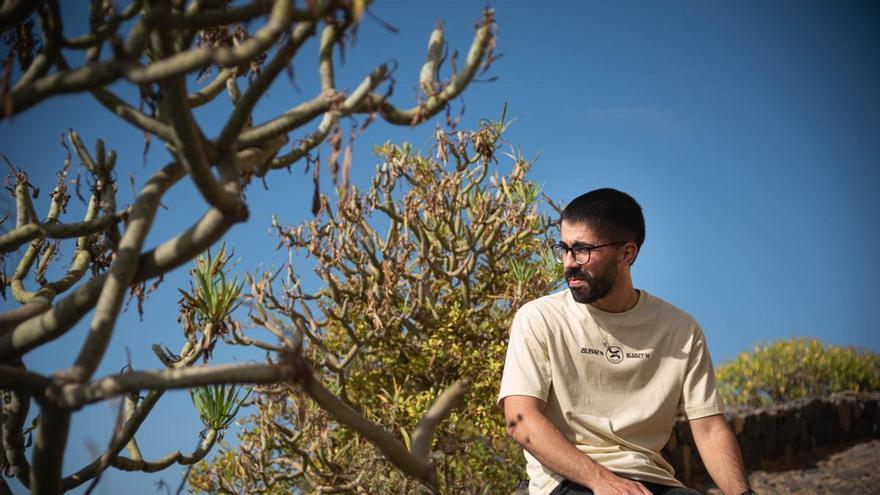
Canary Islands Teacher Campaigns for Native Plants to Combat Biodiversity Loss
Biology teacher Marcos Quintero Lima is leveraging social media to advocate for the use of native plants in Canary Islands urban planning, arguing that prioritizing local biodiversity is essential for climate resilience and environmental protection.
Biology teacher Marcos Quintero Lima is using social media to bridge the gap in public knowledge about native plants. In a recent interview with El Diario, he explained how he turned his passion for botany into a campaign to raise awareness, arguing that the Canary Islands must prioritize local biodiversity in public planning to protect the region's fragile ecosystems.
Quintero points out a common contradiction: local authorities often choose exotic plants for roundabouts and urban areas instead of native species. He argues that this is a mistake, as native plants—like those grown at the La Tahonilla nursery—are better adapted to the island’s climate. Using these plants would save water and maintenance costs while supporting local wildlife and helping the islands better withstand the climate crisis.
Reflecting on his own background and family connection to nature, Quintero also critiques the current economic model. He believes that mass tourism is putting unsustainable pressure on protected areas. While some private businesses are moving toward responsible, low-impact tourism, he warns that government policy still favors high visitor numbers over quality, leading to environmental damage without providing real economic benefits for the local population.
Quintero began his outreach work after noticing that animals often receive more public and media attention than plants. Despite his initial discomfort with being in the public eye, he has successfully highlighted the importance of botany, from the medicinal uses of plants to their unique value as endemic species. He believes that unless citizens reconnect with their local environment, the Canary Islands will continue to struggle to protect their land from harmful development.