
Canary Islands Students Use New 3D Simulator to Master Environmental Restoration
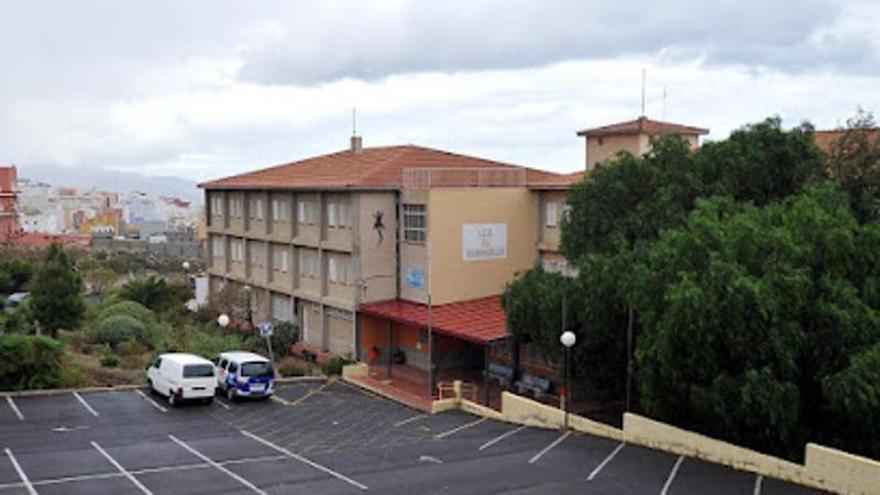
Students at IES El Sobradillo in Tenerife are using a new 3D simulation tool called iBarranco to practice environmental restoration and ecological planning within a virtual recreation of the local Monja ravine.
Digital technology is changing how we manage natural heritage in the Canary Islands. A new 3D simulation tool called iBarranco, developed by IES El Sobradillo in Santa Cruz de Tenerife, is now helping forestry students practice environmental restoration and land planning in a virtual setting. The simulator provides a scientifically accurate recreation of the Monja ravine, located right next to the school.
The project is designed to be accessible and collaborative, using free software and open documentation. This approach allows other organizations to contribute to its development. With an investment of 40,000 euros covering design, programming, and teaching materials, the system is built to be modular. This means that in the future, the simulator can be expanded to include other local ecosystems, such as laurel forests and high-mountain landscapes.
The real value of iBarranco is its ability to model complex ecological data. Students can use an interactive database to study endemic plants, observing how different species grow and behave over time. This hands-on approach reflects a shift in Spanish vocational training toward active learning, connecting classroom instruction directly to the local environment.
The tool was unveiled during a conference for World Environment Day, which brought together experts from the University of La Laguna, the Technological and Renewable Energy Institute (ITER), the Canary Institute of Agricultural Research (ICIA), and government officials. Discussions focused on how technology and strategic planning can work together to address modern environmental challenges, such as managing green infrastructure and restoring plant communities.