
Canary Islands Struggle to Balance Tourism Growth with Preservation of Natural Sites
Garachico officials are considering limiting access to Tenerife’s El Caletón natural pools as surging tourist numbers spark concerns over environmental sustainability and the displacement of local residents.
Managing public natural spaces in the Canary Islands has become a difficult balancing act: how can the islands protect their local identity while dealing with massive tourist numbers? The El Caletón natural pools in Garachico, Tenerife, are a prime example of this struggle. Once a quiet volcanic spot for locals, the area is now so overcrowded that its long-term sustainability is being called into question.
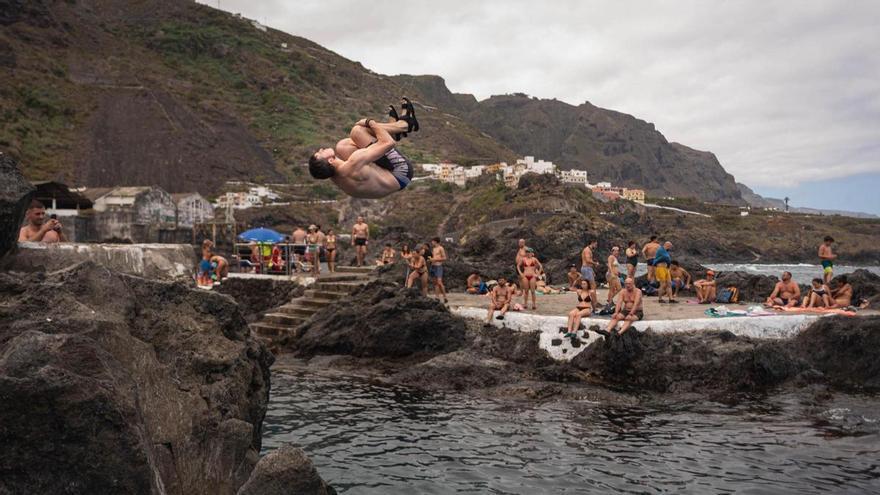
During the summer, the pools become packed. On a typical weekday morning in August, more than 300 people can be found in the area at once. This density makes it difficult to move around, creating bottlenecks at entry and exit points and forcing swimmers to navigate crowded stairs and resting areas.
The shift in visitors has changed the atmosphere of the pools. As the crowd has become predominantly international, many visitors are unfamiliar with local customs. Meanwhile, long-time residents of Garachico feel pushed out. They report that the overcrowding, combined with stricter safety regulations introduced in 2013, has made it difficult to enjoy the space as they once did. While lifeguards are necessary for safety, locals feel that the new rules—put in place to prevent risky behavior by inexperienced tourists—have restricted their own freedom of movement.
In response, the Garachico City Council is considering ways to manage capacity. Councilor for Beaches Andrés Hernández confirmed that the administration is looking into limiting access. However, because the pools are part of a public maritime-terrestrial domain, any changes will require a complex and careful legal review.
Environmental concerns are also mounting. Users have highlighted issues with waste buildup and a lack of daily cleaning. Some residents have pointed to the pandemic-era booking system as a potential solution, noting that limiting visitor numbers allowed for better order and more efficient maintenance. This has sparked a wider debate: is the current model of unrestricted access compatible with protecting the island's natural heritage?