
Canary Islands Seek Disaster Zone Status After Record-Breaking Storm Therese
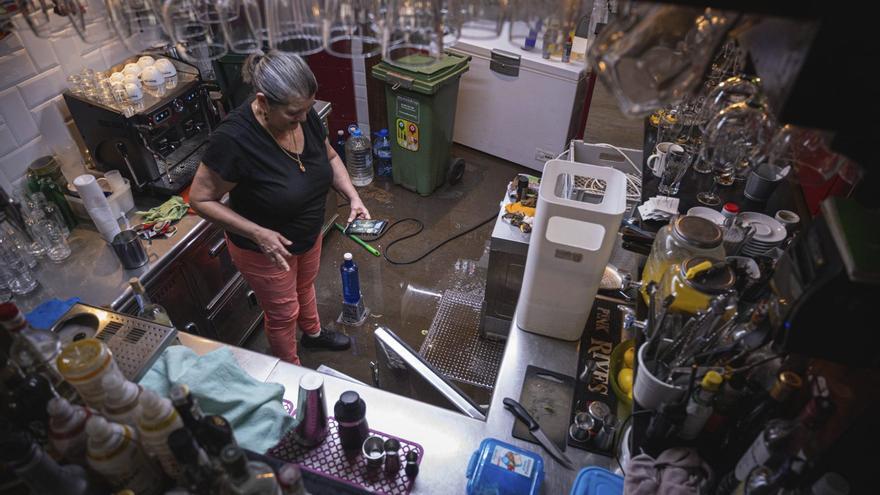
The Spanish government is moving to declare the Canary Islands a disaster zone after Storm Therese brought record-breaking rainfall, widespread flooding, and significant infrastructure damage.
Storm Therese has passed over the Canary Islands, leaving behind record-breaking rainfall. In areas like Vilaflor and the highlands of La Orotava, rainfall exceeded 400 liters per square meter—an amount typically seen over an entire year. In response, the Spanish government has begun the process of declaring the islands a disaster zone. Ángel Víctor Torres, the Minister of Territorial Policy, announced that this move aims to secure state funding to cover at least half of the costs for infrastructure repairs and compensation for private property damage.
The storm lasted eight days, with the worst conditions occurring between Tuesday night and Wednesday morning. Authorities used the "Es-Alert" mobile warning system for the first time to manage the emergency, which saw over 700 incidents, mostly involving flooding and landslides. Saturated ground forced the closure of trails and recreational areas, as well as traffic restrictions on key routes, including roads to Teide National Park and the connection to Punta de Teno.
On a positive note, the island’s water reserves have seen a significant boost. Over 72 hours, the 21 operational reservoirs gained nearly 900,000 cubic meters of water, bringing total capacity to 80%. With 4 million cubic meters now stored, it is the best reserve level for this time of year in two decades, with major reservoirs like Montaña de Taco, Valle Molina, and El Saltadero nearly full.
The storm has also sparked a political debate about emergency management. Rosa Dávila, President of the Cabildo of Tenerife, has called for a change in regulations. Currently, the Military Emergency Unit (UME) can only be deployed once an alert is raised to level 2—a delay that meant help arrived only after significant damage had already occurred in places like El Pris, Mesas del Mar, and Puerto de la Cruz. Dávila is urging for legal reforms that would give local island administrations more power to act quickly during emergencies.
While about 2,500 people briefly lost power, there were no major humanitarian crises, save for the rescue of six people in the Santos ravine. As cleanup crews work to clear mud and debris, Mount Teide is capped with snow. This snowfall is expected to help recharge the aquifers beneath Las Cañadas, marking a significant shift in the island’s water levels for the year.