
Canary Islands See Shift Toward Later Motherhood Amid Record-Low Fertility Rates
The Canary Islands are experiencing a demographic shift toward later motherhood, with official data revealing a record-low fertility rate and a growing number of births to women over 40.
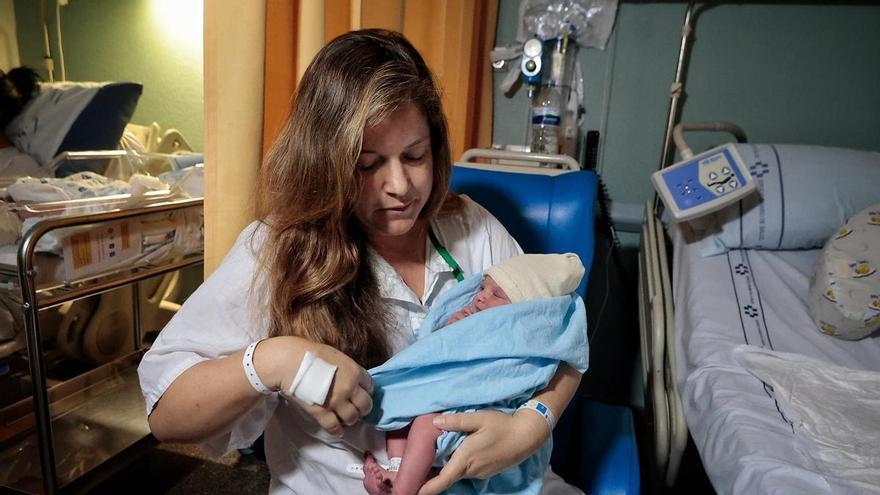
Motherhood in the Canary Islands is changing, a shift clearly visible in both regional statistics and the experiences of families in local hospitals. A recent report from El Día highlights the story of Ruth Sazo, a 41-year-old who recently became a first-time mother at the Nuestra Señora de Candelaria University Hospital. Her experience, occurring just before Mother’s Day, reflects a broader trend across the islands: women are choosing to have children later in life.
Data from the Canary Islands Institute of Statistics (Istac) shows that nearly 10% of births in 2024 were to women over 40, with the average age of new mothers now at 31.9. This comes at a time when the Canary Islands have the lowest fertility rate in Spain, averaging just 0.82 children per woman.
Figures from the National Statistics Institute (INE) also show significant fluctuations in birth rates. After a promising start to the year with 1,048 births in January, the number dropped by nearly 20% in February to 850. With an average of only 30 births per day, there is growing pressure for public policies that go beyond simple financial aid to provide better support for reproductive health and child-rearing.
In hospitals, the focus is shifting toward more comprehensive care. At the Tenerife hospital, midwives like Sara Martín and nurses like Eva Tadeo are prioritizing a model that supports new mothers from childbirth through to breastfeeding and neonatal care. This approach aims to reduce the isolation many first-time parents feel by providing essential emotional and practical guidance.
For families like Ruth Sazo’s, the support of relatives—in her case, her mother, Delia Rodríguez—combined with quality medical care, has been vital. While the public health system continues to adapt, the islands face an ongoing debate about demographic sustainability. Ultimately, there is a clear need for structural changes that help people balance their personal goals with the economic realities of life in the archipelago.