
Canary Islands Scientists Call for Shift from Tourism to Ecological Conservation
Environmental scientists in the Canary Islands are calling for a shift away from tourism-driven development toward evidence-based land management to combat habitat fragmentation and protect the archipelago's fragile biodiversity.
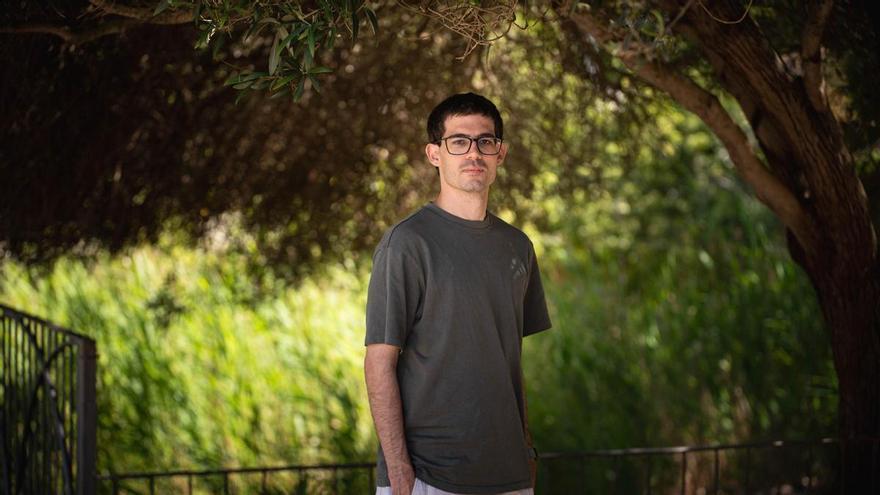
Land management in the Canary Islands has reached a turning point where science must take precedence over the habit of constant development. As noted in a recent Atlántico Hoy interview, environmental scientists are now essential for managing the complex challenges of an island ecosystem under intense human pressure. These experts argue that issues like habitat loss and the spread of invasive species are not isolated incidents; rather, they are the result of planning that has long favored tourism and urban growth over ecological health.
A key concern is "extinction debt," which explains how fragmented landscapes—such as the Malpaís de Güímar—threaten the survival of native wildlife. Infrastructure like highways and industrial parks creates barriers that block genetic flow, particularly for reptiles. These animals are already struggling due to introduced predators, especially feral cats.
The problem also extends to how we view the landscape. Many people see nature only as a scenic "postcard," ignoring the biological processes that keep these environments alive. This disconnect affects everything from lowland shrublands to pine forests, where past management has altered the natural balance. This limited perspective makes it difficult to implement effective conservation policies.
The solution, according to experts, is a shift away from our current tourism-heavy economic model. Urgent steps include restoring ecological corridors, strictly controlling access to protected areas like Anaga and Teide, and increasing the number of rangers on the ground. Experts believe that investing in "green infrastructure"—which better integrates urban and natural spaces—is the only way to build the resilience needed to face climate change and ensure the islands' unique biodiversity is no longer a casualty of unchecked growth.