
Canary Islands Schools Shift to Local Sourcing to Boost Food Sovereignty
School canteens in the Canary Islands are shifting toward a sustainable model by sourcing local ingredients to support the regional economy, reduce food waste, and educate students on food sovereignty.
School canteens in the Canary Islands are changing the way they operate, moving away from a system that prioritized the lowest costs through imported goods. Instead, they are now focusing on food sovereignty and supporting the local economy. By using the consistent, large-scale demand of school meals, the islands are creating a reliable market for local farmers, ranchers, and fishermen.
Companies like Albi Canarias are leading this shift, sourcing 90% to 95% of their ingredients from within the archipelago. This approach keeps money circulating within the local economy while ensuring that the food served to children is fresher and easier to trace.
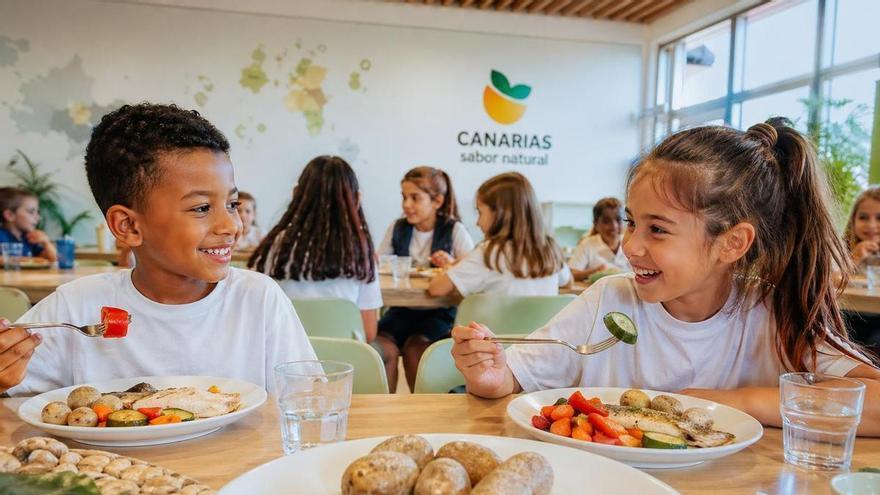
Beyond logistics, serving "zero-kilometer" food has educational and cultural benefits. By featuring traditional recipes on school menus, children are more likely to enjoy their meals, which helps reduce food waste and strengthens their connection to the local area. In this way, the school canteen is evolving from a simple service into a classroom for sustainability.
This model successfully links education, economic growth, and local identity. By making local food a daily habit, schools are teaching the next generation to value the islands' primary sector. Ultimately, this shift transforms public catering into a powerful tool for strengthening the local economy and building a more self-sufficient future.